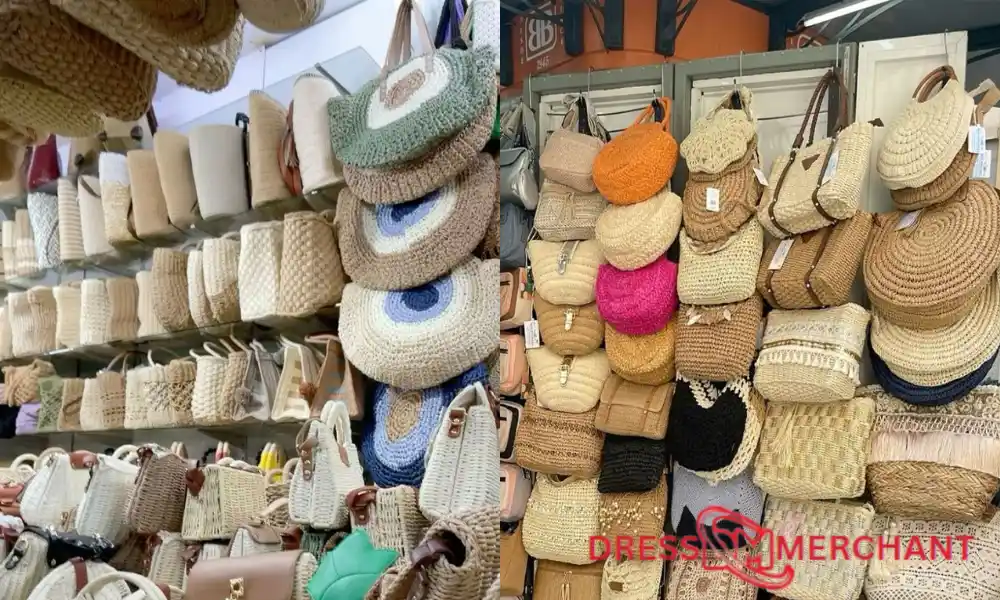
Handicraft Export From Bangladesh is your gateway to premium, ethically sourced, and intricately designed handicrafts. Dress Merchant, a leading Handicraft Buying House, excels as a trusted buying agent, specializing in sourcing, production, and export of exquisite handicrafts. Our curated collection blends traditional craftsmanship with global quality standards, ensuring unique products for international markets.
Thank you for reading this post, don't forget to subscribe!Partner with us to access reliable export solutions, superior quality, and seamless delivery, making Bangladesh’s finest handicrafts reach your business with excellence and authenticity.
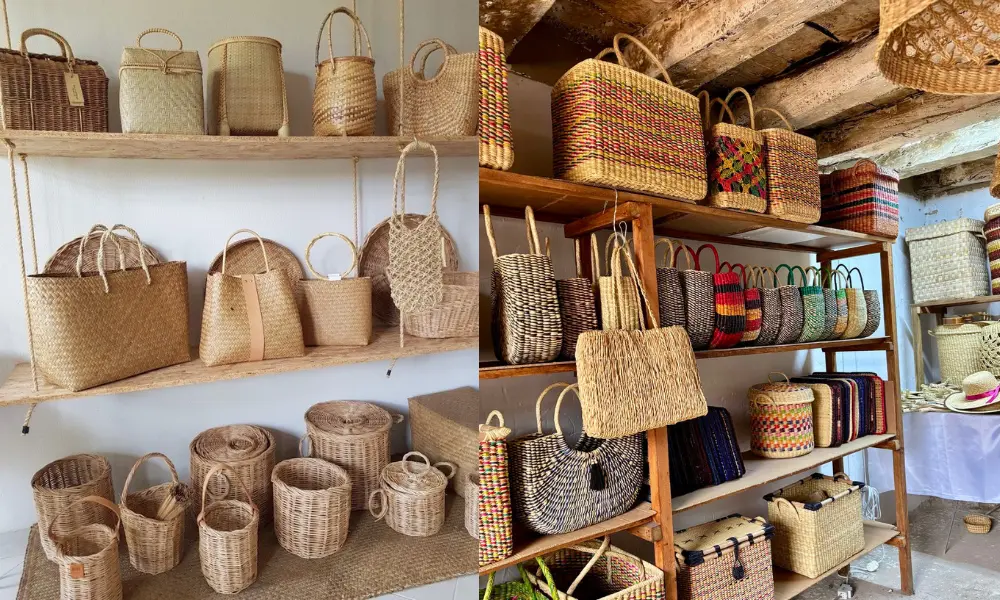
Overview of Handicraft Export from Bangladesh: A Growing Global Market
Bangladesh has firmly established itself as a prominent player in the global handicraft export market. The country’s artisans produce a wide range of high-quality handmade goods that reflect centuries of cultural heritage and traditional artistry. From woven textiles to clay pottery and bamboo crafts, Bangladeshi handicrafts are gaining recognition for their authenticity and durability. Over the past decade, the export sector has witnessed substantial growth, driven by the increasing international demand for eco-friendly and artisanal products. This growth not only strengthens the economy but also provides sustainable livelihoods for thousands of rural artisans across the country.
Bangladeshi handicrafts are now celebrated for their unique design aesthetics, blending traditional techniques with contemporary appeal, making them highly sought after in European, North American, and Asian markets. Exporters are focusing on enhancing production efficiency and ensuring products meet international quality standards, which further boosts Bangladesh’s reputation as a reliable source of artisan crafts.
Key Handicraft Products Bangladesh Exports Worldwide
Bangladesh exports a diverse portfolio of handmade products, ranging from textile-based crafts to home décor and functional items. Woven fabrics, embroidered textiles, bamboo and cane products, clay pottery, and jute-based items are among the most popular. Each product reflects the meticulous craftsmanship and cultural richness that Bangladesh is known for.
Textiles and embroidery, such as Kantha work and Nakshi designs, represent centuries-old traditions while meeting modern market demands. These hand-stitched masterpieces are highly valued in the international fashion and décor markets. Similarly, bamboo, jute, and clay crafts are admired for their eco-friendly and sustainable characteristics, catering to buyers who prioritize environmentally conscious products. Decorative items, functional household goods, and artisan jewelry collectively create a strong export portfolio, ensuring Bangladesh remains a competitive player in the global handicraft sector.
The Role of Artisans in Bangladesh’s Handicraft Export Industry
Artisans are the lifeblood of Bangladesh’s handicraft industry, bringing creativity, skill, and dedication to every piece they produce. Their expert craftsmanship ensures that each product meets high standards of quality, making Bangladeshi exports stand out in the global market. Many artisans learn their trade through generational knowledge, preserving traditional methods that have been passed down for centuries.
The handicraft sector not only highlights artistic excellence but also empowers rural communities economically. By providing consistent work and fair wages, Bangladesh supports livelihood opportunities and helps maintain the cultural heritage embedded in its artisan crafts. As a result, global buyers receive products that are both authentic and ethically produced, strengthening Bangladesh’s reputation as a responsible sourcing destination.
How Bangladesh Ensures Quality in Handicraft Exports
Quality control is a top priority for Bangladeshi handicraft exporters. Workshops and manufacturers adhere to rigorous production standards to ensure that every product meets international expectations. Multi-stage inspections, material verification, and attention to detail during packaging contribute to the country’s export-quality craftsmanship.
Exporters also pursue certifications to enhance credibility in global markets. Products often carry eco-friendly, fair-trade, or organic labels, appealing to buyers who prioritize sustainable and socially responsible sourcing. By maintaining strict quality standards, Bangladesh has successfully positioned itself as a trusted supplier of artisan crafts, capable of meeting the demands of high-end retailers and international importers.
Sustainable and Ethical Practices in Bangladesh Handicraft Exports
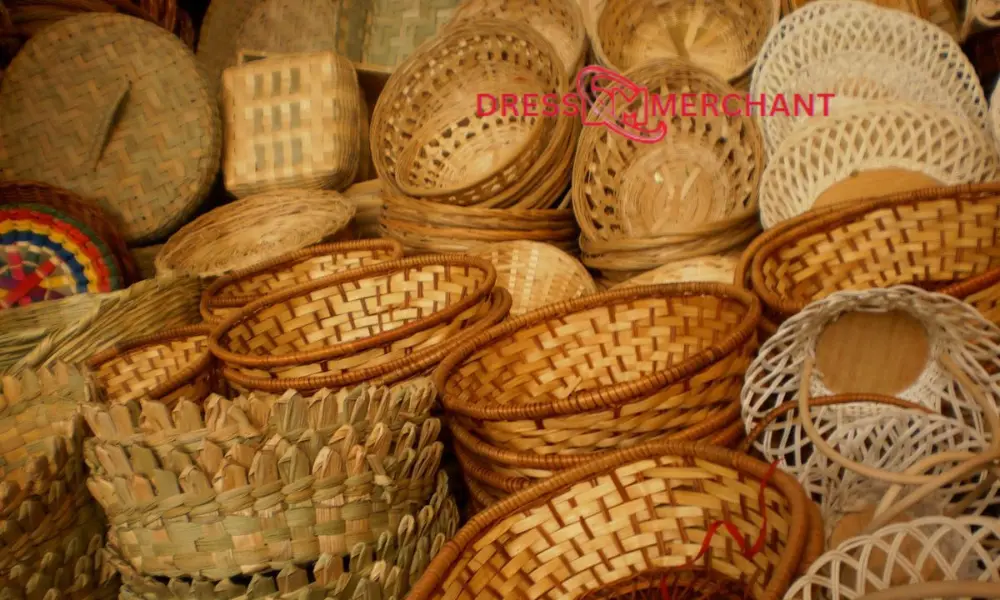
Sustainability and ethical practices are at the heart of Bangladesh’s handicraft export industry. Artisans primarily use renewable and eco-friendly materials, including bamboo, jute, and clay, which minimize environmental impact while providing durable and functional products.
Ethical labor practices are equally important. Exporters ensure artisans receive fair wages, safe working conditions, and recognition for their skills. This approach not only supports social responsibility but also enhances Bangladesh’s image as a globally trusted source of ethically produced handicrafts. By combining sustainable materials with responsible labor practices, Bangladesh attracts buyers seeking products that align with modern environmental and social values.
Top International Markets for Bangladeshi Handicrafts
Bangladeshi handicrafts have established strong demand in international markets, particularly in Europe, North America, and Asia. Buyers are drawn to high-quality, culturally rich products that stand out in both home décor and lifestyle categories.
Europe and North America are major markets due to their appreciation for authentic handmade goods and eco-friendly items. Simultaneously, emerging Asian markets are expanding their import of Bangladeshi crafts, particularly decorative and functional products made from bamboo, clay, and textiles. By focusing on global market trends and buyer preferences, Bangladesh continues to strengthen its position as a reliable exporter of artisan crafts.
Challenges and Opportunities in Bangladesh’s Handicraft Export Sector
Despite its growing success, the handicraft export industry in Bangladesh faces several challenges. Issues such as logistical inefficiencies, delayed shipments, and stiff competition from machine-made products can affect global operations. Ensuring consistent product quality while scaling production remains a critical concern.
However, the sector is filled with opportunities. Rising demand for sustainable and handmade products globally presents enormous growth potential. Exporters can diversify product lines, incorporate contemporary designs, and leverage digital marketplaces to reach buyers directly. With strategic planning and investment in modern production techniques, Bangladesh is poised to expand its handicraft export market further.
Government Policies Supporting Handicraft Exports from Bangladesh
The Bangladeshi government actively supports the handicraft export sector through policies designed to encourage growth and sustainability. Incentives such as tax breaks, export subsidies, and financial support help small and medium-sized enterprises compete globally.
Additionally, skill development and training programs equip artisans with modern production knowledge while preserving traditional designs. By promoting international trade fairs and export marketing initiatives, the government ensures that Bangladeshi handicrafts gain global visibility, enabling exporters to reach a wider audience while boosting the country’s economy.
Tips for Global Buyers Sourcing Handicrafts from Bangladesh
Global buyers can benefit from sourcing Bangladeshi handicrafts by understanding the local market, artisan capabilities, and export standards. Working with reliable suppliers ensures timely delivery, high-quality products, and adherence to ethical practices.
Buyers should focus on products that reflect cultural authenticity while meeting international design and quality standards. Bangladesh offers a vast range of options for home décor, fashion accessories, and lifestyle products, giving buyers flexibility to choose items that align with global market trends and sustainability requirements.
Future Trends in Bangladesh Handicraft Export Industry
The future of Bangladesh’s handicraft export sector is promising, driven by innovation, technology, and global appreciation for artisan products. Digital marketplaces, e-commerce platforms, and social media are helping artisans reach international customers directly, enhancing global visibility.
Product diversification is another major trend. Contemporary designs fused with traditional techniques are expanding Bangladesh’s presence in international markets. Sustainable materials, ethically produced items, and unique handcrafted products will continue to define Bangladesh’s competitive advantage. With rising global demand and strategic investments, the country is poised to become a leading global exporter of artisan crafts.
Conclusion: Handicraft Export From Bangladesh
In conclusion, Bangladesh has emerged as a vibrant hub for high-quality handicraft products, offering a rich blend of tradition, creativity, and skilled craftsmanship. As a trusted handicraft sourcing, manufacturing, and exporting partner, Dress Merchant plays a pivotal role in connecting global buyers with the finest artisanal products Bangladesh has to offer. Our deep expertise in sourcing and managing production ensures that each piece meets international standards of quality, design, and ethical compliance. By choosing Dress Merchant as your handicraft buying agent, you gain access to a seamless export process, reliable supplier networks, and customized solutions tailored to your business needs. Together, we help promote Bangladeshi craftsmanship to the world, supporting artisans and creating lasting value for global markets.
Frequently Asked Questions (FAQ) about Handicraft Export from Bangladesh
1. What types of handicrafts are exported from Bangladesh?
Bangladesh is renowned for its high-quality handicrafts, including jute products, handmade textiles, pottery, wood carvings, metal crafts, and traditional jewelry. These items reflect the country’s rich cultural heritage and artisanal expertise. Many global buyers source these crafts due to their uniqueness and authenticity.
2. How can international buyers source handicrafts from Bangladesh?
International buyers can source handicrafts directly from reputable exporters, buying houses, or artisan cooperatives. Many companies in Bangladesh offer end-to-end services, including product customization, quality inspection, and logistics management to ensure a seamless export experience.
3. Are handicrafts from Bangladesh ethically made?
Yes. Many handicraft producers in Bangladesh focus on ethical production practices. They employ local artisans under fair working conditions, provide fair wages, and often use eco-friendly and sustainable materials, making Bangladeshi handicrafts a responsible choice for conscious buyers.
4. What are the main export destinations for Bangladeshi handicrafts?
Bangladeshi handicrafts are exported worldwide, with major markets including the USA, Europe, Australia, and Asia. The demand is particularly high in countries that value sustainable and handcrafted products.
5. Can handicrafts from Bangladesh be customized for international buyers?
Absolutely. Many exporters and buying houses offer customization services, including color, design, size, and packaging modifications. This allows international buyers to align products with their brand requirements while maintaining authentic Bangladeshi craftsmanship.
6. What is the average lead time for exporting handicrafts from Bangladesh?
Lead times vary depending on the product type, quantity, and customization requirements. Generally, standard orders take 2–4 weeks, while bulk or custom orders may require 6–8 weeks. Reliable exporters provide timely updates and ensure smooth shipping processes.
7. How is quality ensured for exported handicrafts?
Exporters in Bangladesh implement multi-stage quality inspections, including material checks, craftsmanship assessment, and packaging review. Many also adhere to international quality standards such as ISO, ensuring products meet buyers’ expectations.
8. What documentation is required for handicraft export from Bangladesh?
Key documents include the Commercial Invoice, Packing List, Bill of Lading/Airway Bill, Certificate of Origin, and any required export licenses or permits. Experienced exporters often assist buyers in handling all necessary documentation for hassle-free shipping.
9. Are there eco-friendly handicrafts available for export from Bangladesh?
Yes, Bangladesh is a hub for sustainable and eco-friendly handicrafts. Products made from jute, bamboo, recycled materials, and natural dyes are popular among international buyers seeking environmentally conscious options.
10. How can I find a reliable handicraft exporter in Bangladesh?
Look for exporters with proven experience, positive client reviews, global shipping capabilities, and certifications. Many reputable companies also have a strong online presence and can provide product catalogs, sample orders, and virtual factory tours to ensure trust and transparency.
Tags: Handicraft products in Bangladesh, Handicraft manufacturer in Bangladesh, Bangladeshi handicrafts online, Handicrafts market in Bangladesh, Top 10 handicraft manufacturer in Bangladesh, Jute Handicrafts manufacturer in Bangladesh, Handicraft wholesale