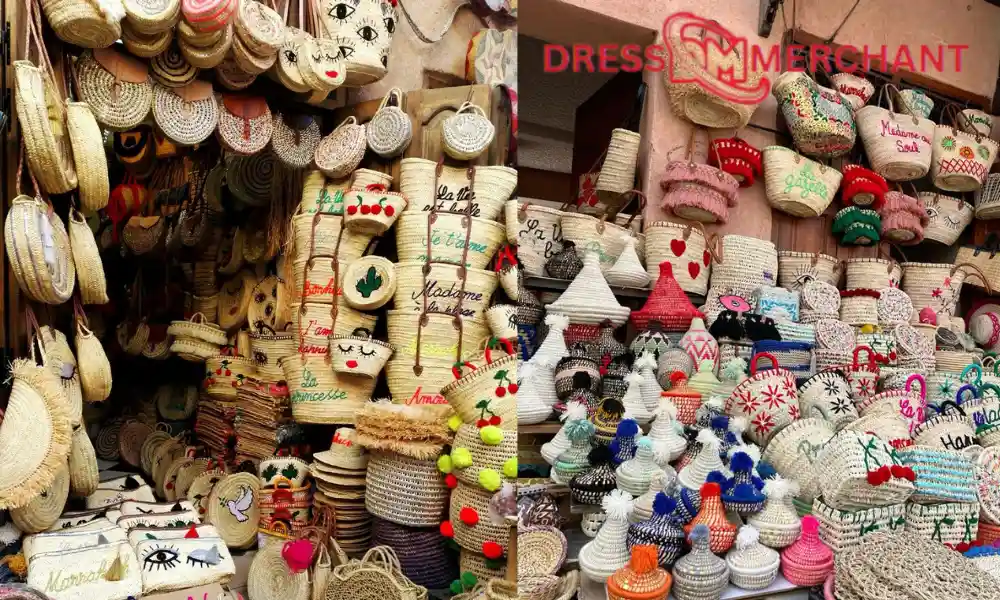
Export Opportunities For Handicraft Products In Bangladesh are booming, offering global buyers access to exquisite, handcrafted items from skilled artisans. Dress Merchant, a leading Handicraft Buying House, specializes in sourcing unique handicrafts, managing production with precision, and ensuring seamless export services. Whether you’re looking for traditional crafts, sustainable decor, or exclusive gifts, our expert team connects you with premium quality products. Explore the thriving Bangladeshi handicraft market and unlock exceptional export potential with Dress Merchant today!
Thank you for reading this post, don't forget to subscribe!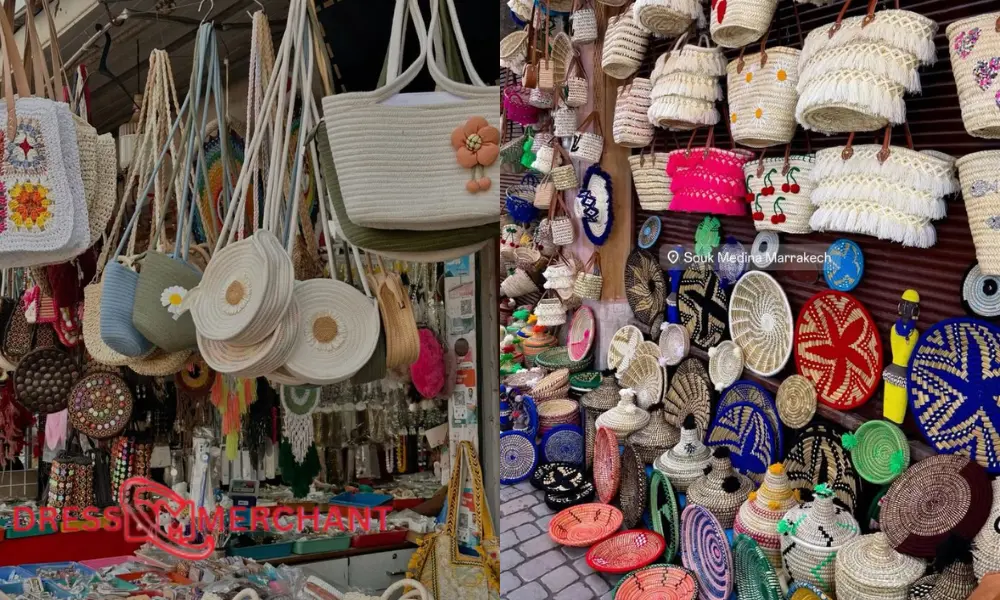
Understanding Bangladesh’s Handicraft Industry and Its Global Appeal
Bangladesh has long been recognized for its rich and diverse handicraft heritage, offering a unique blend of traditional artistry and contemporary designs. The country’s handicraft industry encompasses a wide range of products, including jute crafts, pottery, bamboo items, embroidery, and handwoven textiles, which reflect the cultural identity of Bangladesh. Over the years, these handcrafted products have gained attention not only domestically but also internationally, owing to their authenticity, quality, and intricate designs.
As a leading handicraft manufacturer and exporter, Dress Merchant plays a pivotal role in bridging the gap between Bangladeshi artisans and global markets. By maintaining high standards of craftsmanship, ethical production, and sustainable sourcing, Dress Merchant ensures that every product meets international expectations. This dedication has strengthened the country’s reputation as a reliable supplier of quality handicrafts, encouraging global buyers to explore export opportunities.
Bangladesh’s artisans use traditional methods passed down through generations, which adds immense value to every product. Each item tells a story, making it highly attractive to international buyers who value authenticity and cultural significance. From hand-embroidered textiles to decorative bamboo items, the diversity of Bangladeshi handicrafts makes it possible to cater to multiple market segments.
Global consumers increasingly seek unique and eco-friendly products, creating a growing demand for handcrafted items. Handicrafts from Bangladesh often meet these demands as they are primarily made from natural materials like jute, bamboo, and cotton, emphasizing sustainability. Dress Merchant capitalizes on these trends, offering curated collections that highlight the country’s cultural richness while adhering to international standards.
Moreover, the government of Bangladesh has actively supported handicraft exports through incentives, training programs, and trade fairs. This support, combined with the global appreciation for authentic artisan products, creates an ideal environment for companies like Dress Merchant to expand their international footprint. By combining traditional techniques with modern market insights, Dress Merchant ensures that Bangladeshi handicrafts remain competitive and relevant in the global marketplace.
Key Handicraft Products in Bangladesh with High Export Potential
Bangladesh produces an impressive variety of handicraft products that are highly sought after in international markets. Among these, jute products, handwoven textiles, pottery, wooden crafts, bamboo items, and embroidered accessories stand out for their quality, uniqueness, and cultural value. Dress Merchant, as a global exporter, specializes in manufacturing these products to meet both traditional and contemporary design trends, making them highly appealing to buyers worldwide.
Jute products, often called the “golden fiber” of Bangladesh, include bags, rugs, wall hangings, and decorative items. These eco-friendly products are increasingly in demand due to global sustainability trends. Similarly, handwoven textiles, such as scarves, sarees, and table linens, reflect the skilled artistry of Bangladeshi artisans. Dress Merchant ensures that these products are not only crafted with precision but also comply with international quality standards.
Pottery and ceramic crafts are another segment with high export potential. Each piece, handcrafted and painted by skilled artisans, showcases the rich cultural heritage of Bangladesh. Wooden crafts, bamboo baskets, and home décor items also enjoy strong demand due to their natural appeal and durability. By offering a diverse range of products, Dress Merchant can cater to buyers looking for both decorative and functional items.
Embroidery and hand-stitched products, including clothing accessories, cushion covers, and wall art, are highly valued for their intricate designs and artisanal charm. Global consumers increasingly seek products that are not mass-produced, giving Bangladesh an advantage with its heritage of handcrafting. Dress Merchant focuses on blending traditional techniques with modern aesthetics, making these products suitable for contemporary global markets.
Additionally, Dress Merchant’s attention to packaging, branding, and quality control ensures that each export shipment is delivered in pristine condition. By understanding market preferences and trends in regions like Europe, North America, and the Middle East, Dress Merchant maximizes export potential for these handicrafts. Their strategic approach to product selection and export readiness makes Bangladesh a competitive source for premium, handcrafted products worldwide.
Top International Markets for Bangladeshi Handicraft Exports
The global appeal of Bangladeshi handicrafts is evident in their growing presence in markets across Europe, North America, the Middle East, and Asia. Countries such as the United States, Germany, the United Kingdom, and the Netherlands are among the largest importers of handcrafted products, seeking authentic and sustainable items for both retail and decorative purposes. Dress Merchant leverages these markets by offering high-quality, ready-to-export handicrafts that meet local tastes and international standards.
Europe, in particular, has a strong demand for eco-friendly and artisan products. Jute bags, handwoven textiles, and decorative home items from Bangladesh are increasingly popular among conscious consumers who value sustainability and craftsmanship. Dress Merchant ensures that these products meet stringent European quality and safety standards, enabling smooth market entry.
North America is another significant market, where buyers seek unique, handcrafted products for both personal use and commercial resale. Products such as embroidered fabrics, pottery, and bamboo crafts are especially popular, and Dress Merchant tailors its collections to meet the preferences of American retailers and wholesalers.
In the Middle East and Asia, there is strong demand for luxury handicrafts, including hand-embroidered textiles, intricate wooden carvings, and decorative items for homes and offices. These markets appreciate the cultural value and artisanal quality of Bangladeshi products. Dress Merchant works closely with buyers to provide customized solutions, ensuring products align with local tastes while maintaining the authenticity and craftsmanship of Bangladesh.
Dress Merchant also participates in international trade fairs, exhibitions, and online platforms to strengthen its presence in global markets. By understanding market trends, consumer behavior, and import regulations, the company maximizes export opportunities. The ability to deliver quality, sustainable, and culturally rich products positions Bangladesh as a key player in the global handicraft sector, with Dress Merchant leading the charge.
Government Initiatives Supporting Handicraft Export Growth
The Bangladeshi government has taken significant steps to promote the handicraft sector as a vital part of the country’s economy. Various export incentives, training programs, and trade support initiatives are designed to assist manufacturers and exporters like Dress Merchant in reaching global markets. Policies such as duty exemptions, subsidies for raw materials, and participation in international trade fairs help stimulate the growth of handicraft exports.
One of the most impactful programs is the government’s focus on SME development, where small and medium-sized handicraft manufacturers receive guidance, financial support, and capacity-building assistance. Dress Merchant, while being a leading exporter, often collaborates with artisan groups and local communities, ensuring these initiatives reach the grassroots level. By leveraging these programs, the company can scale production, maintain high quality, and expand into new international markets.
Trade facilitation measures, including simplified export procedures and preferential access to markets in Europe and Asia, further enhance Bangladesh’s appeal as a source of handicrafts. Dress Merchant benefits from these arrangements by exporting efficiently, reducing logistical costs, and ensuring timely delivery to global buyers. Additionally, government-supported training workshops help artisans adopt modern design techniques while preserving traditional craftsmanship, ensuring products are both contemporary and culturally authentic.
Participation in trade fairs and exhibitions, often subsidized or organized by the government, allows Dress Merchant to showcase its collections to a global audience. These events not only help in building brand recognition but also create networking opportunities with international buyers and distributors. Moreover, government-backed marketing campaigns promote Bangladesh as a hub for high-quality, sustainable, and unique handicrafts.
By combining government support with internal quality management, Dress Merchant ensures that its products consistently meet international standards. This synergy enhances Bangladesh’s global reputation, making it easier for companies to penetrate competitive markets. With ongoing government initiatives and proactive involvement, the future of Bangladeshi handicraft exports looks promising, positioning Dress Merchant as a key player driving innovation, cultural preservation, and economic growth in the sector.
Challenges Faced by Bangladeshi Handicraft Exporters and How to Overcome Them
Despite its immense potential, the Bangladeshi handicraft industry faces several challenges that exporters like Dress Merchant must navigate. One of the primary obstacles is the lack of modern infrastructure and technological adoption in traditional production areas. Many artisans still rely on manual methods, which can limit production capacity and consistency. Dress Merchant addresses this by combining skilled craftsmanship with modern quality control techniques to ensure products meet global standards.
Another significant challenge is market competition, both domestically and internationally. Countries like India, Nepal, and Vietnam also have strong handicraft sectors. To stand out, Dress Merchant focuses on unique designs, cultural authenticity, and sustainable production, which resonates with international buyers seeking distinctive products. Branding and storytelling around the artisanal heritage of Bangladesh also give the company a competitive edge.
Access to global markets can be complicated by regulatory compliance, customs procedures, and fluctuating international demand. Dress Merchant overcomes these challenges by maintaining a dedicated export compliance team that ensures all products meet the quality, safety, and legal requirements of target markets. Efficient logistics management also ensures timely delivery, which is crucial for building trust with international buyers.
Financial constraints are another common issue, especially for small artisans and manufacturers. Dress Merchant supports local artisans through fair trade practices, advance payments, and long-term contracts, providing financial stability while promoting ethical business practices. This approach not only strengthens the supply chain but also enhances product quality and reliability.
Lastly, marketing and visibility in global markets can be challenging. Dress Merchant invests in digital marketing, international trade shows, and collaborations with global distributors to increase brand recognition. By addressing these challenges strategically, the company ensures that Bangladesh’s rich handicraft heritage reaches international audiences while sustaining artisan livelihoods.
Role of Sustainable and Ethical Practices in Boosting Exports
Sustainability and ethical production have become critical factors for international buyers in recent years. Consumers and retailers increasingly prefer eco-friendly, ethically sourced, and socially responsible products. For Dress Merchant, adopting these practices is not just a trend but a core part of its business model. By emphasizing sustainability, the company strengthens its position in competitive global markets.
Bangladesh offers abundant natural resources like jute, bamboo, and cotton, which are ideal for producing eco-conscious handicrafts. Dress Merchant ensures that these raw materials are responsibly sourced, supporting local communities and minimizing environmental impact. By maintaining fair wages and safe working conditions for artisans, the company promotes ethical labor practices, which are highly valued by international clients.
Sustainable production also enhances product quality. Natural materials and handcrafted techniques result in durable, unique, and authentic products, which appeal to buyers looking for alternatives to mass-produced goods. Dress Merchant invests in training artisans on sustainable methods and innovative designs, ensuring that products remain both environmentally responsible and commercially attractive.
Additionally, compliance with international sustainability standards, such as ISO certifications or fair trade labeling, gives Dress Merchant a competitive advantage. Retailers in Europe and North America often prioritize suppliers who can demonstrate ethical sourcing and environmental responsibility, which significantly boosts export opportunities.
By integrating sustainable and ethical practices into its core operations, Dress Merchant not only contributes positively to the environment and local communities but also strengthens its brand value globally. This approach aligns with modern consumer preferences and ensures long-term growth in the international handicraft market.
How E-commerce is Expanding Handicraft Export Opportunities
E-commerce has transformed the global handicraft industry by providing direct access to international buyers. Platforms like Amazon, Etsy, and global B2B marketplaces allow Dress Merchant to showcase its products to a wider audience without the limitations of traditional export channels. This digital approach reduces costs, increases visibility, and enhances export potential.
Through e-commerce, Dress Merchant can highlight its extensive range of handicrafts, including jute products, embroidered textiles, bamboo crafts, and decorative items. Detailed product descriptions, high-quality images, and transparent information about craftsmanship and sustainability appeal to conscious consumers worldwide. This online presence also enables the company to track consumer preferences, allowing for data-driven decisions on product design and market targeting.
Digital marketing strategies, including social media promotion, SEO, and influencer collaborations, amplify the visibility of Bangladeshi handicrafts. Dress Merchant leverages these tools to tell the story of artisans, showcase cultural heritage, and emphasize unique craftsmanship, attracting buyers seeking authenticity.
Moreover, e-commerce facilitates small-scale exports that were previously difficult to manage through traditional channels. Dress Merchant can now cater to boutique stores, interior designers, and individual buyers across continents, expanding its reach and diversifying revenue streams. Real-time analytics and customer feedback further allow for continual improvement, ensuring products align with international tastes and trends.
E-commerce also complements participation in trade fairs and exhibitions, as online catalogs and virtual showrooms provide continuous access to global markets. By integrating traditional handicraft expertise with digital marketing and e-commerce, Dress Merchant positions itself as a modern, globally connected exporter capable of meeting diverse international demands.
Success Stories of Bangladeshi Handicraft Exporters
Bangladesh has witnessed numerous success stories in handicraft exports, and Dress Merchant stands at the forefront of this achievement. By combining skilled artisanship, quality assurance, and international market knowledge, the company has established itself as a reliable global supplier. These success stories highlight how traditional craftsmanship can thrive in modern markets when paired with strategic business practices.
Many Bangladeshi exporters have successfully penetrated markets in Europe, North America, and Asia, offering products that are culturally authentic, sustainable, and innovative. Dress Merchant’s model focuses on maintaining strong relationships with artisans, ensuring fair wages, and delivering premium products. This commitment has resulted in long-term contracts with international buyers and repeat orders, underscoring the company’s reliability.
Success also comes from product diversification. By offering a range of items, from jute bags and handwoven textiles to pottery and bamboo decor, Dress Merchant caters to multiple market segments, mitigating risk and enhancing export growth. Collaborations with designers and global retailers further boost brand recognition, helping the company gain prominence in competitive markets.
Additionally, investment in branding, packaging, and marketing has contributed to the success of Bangladeshi handicraft exporters. Dress Merchant demonstrates how combining cultural heritage with modern business strategies can result in substantial international demand, proving that artisanal products can be both profitable and globally relevant.
Strategies for Small and Medium Enterprises to Enter the Global Market
Small and medium enterprises (SMEs) in Bangladesh have enormous potential to tap into the global handicraft market. Key strategies include product specialization, quality control, market research, and leveraging digital channels. Dress Merchant exemplifies these practices by offering curated collections that meet international standards while promoting cultural heritage.
Understanding target markets is essential. SMEs must study consumer preferences, identify gaps, and focus on niche products that appeal to global buyers. For example, eco-friendly jute bags, hand-embroidered textiles, and bamboo home décor are gaining popularity in Europe and North America. By aligning production with demand, SMEs can maximize export potential.
Networking and partnerships are also vital. Dress Merchant collaborates with artisans, local suppliers, and international distributors, ensuring a streamlined supply chain. Participation in trade fairs, exhibitions, and online B2B marketplaces increases visibility and helps SMEs establish credibility in foreign markets.
Quality assurance and ethical production are non-negotiable. International buyers prioritize products that are consistent, safe, and sustainably produced. SMEs should implement standardized production processes, maintain strict quality checks, and comply with certifications to gain buyer confidence.
Finally, leveraging e-commerce and digital marketing expands reach beyond traditional export channels. Social media, online marketplaces, and direct-to-consumer platforms allow SMEs to access a global audience efficiently. By following these strategies, SMEs can replicate Dress Merchant’s success, contributing to Bangladesh’s growth as a leading handicraft exporter.
Future Trends and Emerging Opportunities in Handicraft Exports
The future of Bangladeshi handicraft exports is bright, driven by growing global demand for sustainable, culturally authentic, and artisan-made products. Trends such as eco-friendly materials, customized designs, and digital marketing are creating new opportunities for exporters like Dress Merchant. Staying ahead of these trends ensures continued relevance in competitive international markets.
Global consumers increasingly value storytelling and cultural heritage behind products. Handicrafts that reflect Bangladesh’s traditions, like handwoven textiles or bamboo décor, are gaining attention for their authenticity and uniqueness. Dress Merchant leverages these preferences, offering collections that combine artisan craftsmanship with modern aesthetics.
Technological integration, including e-commerce platforms, digital catalogs, and virtual trade shows, allows exporters to access markets previously difficult to reach. Dress Merchant utilizes these tools to showcase its products, receive feedback, and adapt designs to evolving global tastes.
Sustainability and ethical practices will continue to play a critical role. Products that emphasize eco-friendly materials, fair trade, and artisan empowerment are more likely to attract premium buyers and long-term partnerships. Dress Merchant’s commitment to these practices strengthens brand value and market competitiveness.
Finally, diversification into luxury segments, home décor, and customized gifting solutions presents emerging opportunities. By anticipating consumer demands and innovating within traditional handicraft frameworks, Dress Merchant ensures that Bangladeshi handicrafts remain a preferred choice worldwide, paving the way for sustainable growth and global recognition.
Conclusion: Export Opportunities for Handicraft Products in Bangladesh
Bangladesh stands out as a vibrant hub for high-quality handicraft products, offering immense opportunities in the global market. With its rich cultural heritage, skilled artisans, and diverse range of handmade products, the country continues to attract buyers seeking unique, sustainable, and ethically sourced items. For international businesses looking to tap into this potential, partnering with a trusted sourcing and export expert is essential.
Dress Merchant, as a leading handicraft buying, sourcing, and exporting agent, bridges the gap between global buyers and Bangladeshi artisans. Our expertise in identifying the right manufacturers, managing production, ensuring quality compliance, and handling seamless export processes positions us as the ideal partner for businesses aiming to explore Bangladesh’s handicraft market. By leveraging these opportunities with Dress Merchant, buyers can secure authentic, high-quality products while contributing to the growth of Bangladesh’s artisan communities.
The future of Bangladeshi handicrafts in international trade is bright, and with strategic sourcing partners like Dress Merchant, global buyers can confidently expand their product offerings while supporting sustainable and ethical craftsmanship.