Handicraft Export From Bangladesh 2026 – Discover exquisite, high-quality handicrafts sourced and crafted by expert artisans. Dress Merchant, a leading Handicraft Buying House, specializes in seamless sourcing, production management, and export services for global buyers. Elevate your business with unique, authentic Bangladeshi handicrafts that combine tradition and modern appeal. Partner with us for reliable delivery, ethical sourcing, and exceptional craftsmanship, making every export a story of quality, culture, and global satisfaction.
Thank you for reading this post, don't forget to subscribe!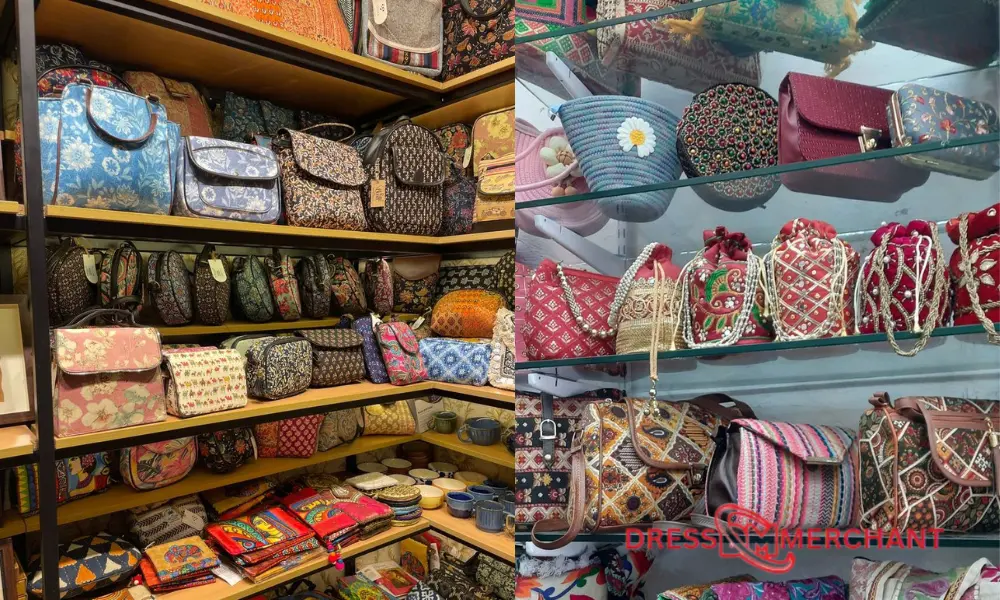
Overview of Handicraft Export From Bangladesh in 2026
Bangladesh has long been recognized as a hub for exquisite handicrafts, reflecting the country’s rich cultural heritage and artisanal expertise. In 2026, the handicraft export sector continues to gain momentum, driven by global demand for unique, handcrafted products that carry the essence of Bangladeshi tradition. Companies like Dress Merchant play a pivotal role in this growth, serving as trusted partners for worldwide buyers seeking high-quality handicrafts.
The handicraft export industry in Bangladesh encompasses a wide variety of products, including jute items, pottery, woodcraft, metal crafts, traditional textiles, and more. Each item is carefully crafted by skilled artisans who have inherited generations of knowledge, ensuring that every product carries authenticity and excellence. With an increasing appreciation for sustainable and handmade goods, global buyers are now actively looking toward Bangladesh for sourcing ethically produced handicrafts.
In 2026, the sector benefits from improved infrastructure, better logistics, and government initiatives aimed at promoting exports. Companies like Dress Merchant have leveraged these advantages to streamline production, manage quality, and facilitate efficient international shipping. Their expertise allows them to connect local artisans with global retailers, e-commerce platforms, and boutique stores, ensuring that Bangladeshi handicrafts reach discerning customers worldwide.
Moreover, the industry is witnessing a shift toward customized and innovative products. Buyers are seeking items that not only embody traditional craftsmanship but also meet modern design sensibilities. Dress Merchant specializes in catering to these diverse needs, offering tailored solutions for bulk orders, personalized designs, and contemporary adaptations of classic crafts.
With 2026 poised to be a landmark year for handicraft exports, Bangladesh is emerging as a strong competitor in the global handicraft market. By emphasizing quality, authenticity, and sustainable practices, companies like Dress Merchant continue to strengthen the country’s reputation as a premier destination for handmade, premium-quality handicrafts.
Top Handicraft Products Exported From Bangladesh
Bangladesh produces an impressive array of handicrafts that are highly sought after in international markets. In 2026, Dress Merchant focuses on exporting products that combine traditional craftsmanship with global appeal, meeting the evolving demands of buyers across Europe, North America, Asia, and beyond.
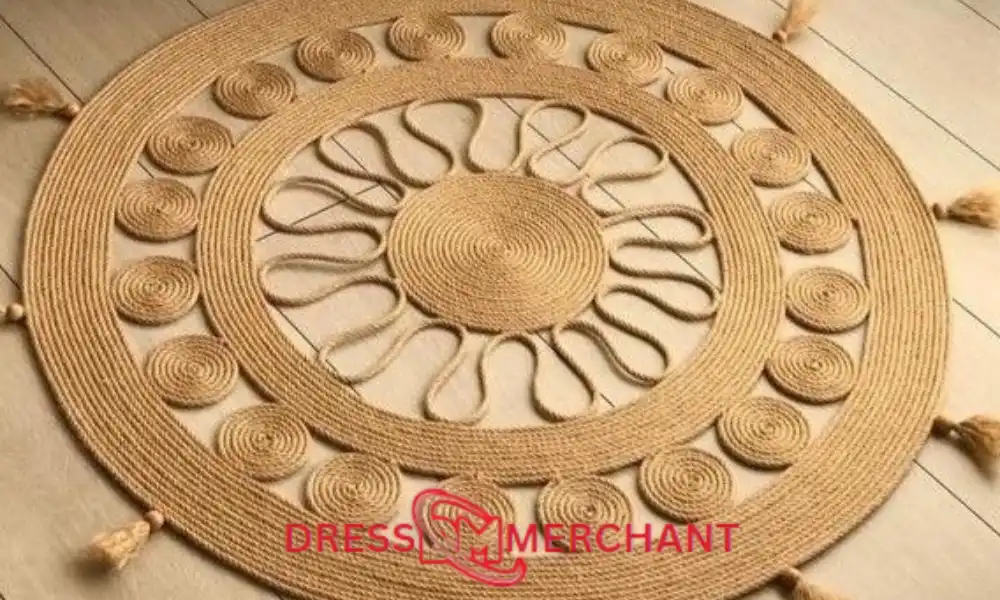
Among the top exported items are jute products, which include bags, mats, home decor items, and fashion accessories. Jute, often referred to as the “golden fiber,” is eco-friendly, durable, and highly versatile, making it a preferred choice for environmentally conscious consumers. Dress Merchant ensures that these products are designed with attention to both aesthetics and functionality, maintaining premium quality standards.
Woodcraft and pottery also remain in high demand. Bangladeshi artisans are known for their intricate carvings and finely detailed sculptures, while pottery pieces reflect traditional designs with a modern touch. Metal crafts, including brass and copper items, are appreciated for their durability and artistic value, often used as home decor or corporate gifting items.
Textile-based handicrafts, such as handwoven scarves, embroidered fabrics, and traditional textiles, are another significant segment of exports. These products showcase the rich textile heritage of Bangladesh while catering to contemporary fashion trends. Dress Merchant ensures that artisans use eco-friendly dyes and sustainable production techniques, meeting international compliance standards.
In addition to these, home decor items, leather crafts, and personalized gift items are gaining global traction. Buyers increasingly prefer products that are ethically produced and culturally significant, making Bangladesh a go-to sourcing destination. Dress Merchant’s global clientele trusts the company to deliver these high-demand products efficiently, without compromising on quality or authenticity.
By maintaining a diverse product portfolio and keeping pace with market trends, Dress Merchant successfully positions Bangladeshi handicrafts as premium, globally competitive items. Their expertise in production management, quality control, and export logistics ensures that each product reaches international markets in perfect condition, enhancing the country’s reputation as a leading handicraft exporter.
Key Global Markets for Bangladeshi Handicrafts
Bangladeshi handicrafts have a strong presence in global markets, with increasing demand from countries that value traditional craftsmanship and sustainable products. In 2026, companies like Dress Merchant are pivotal in connecting local artisans with buyers in Europe, North America, the Middle East, and Asia.
Europe remains a major market for Bangladeshi handicrafts. Countries like Germany, France, and the UK are particularly drawn to eco-friendly jute products, handmade textiles, and metal crafts. The European market’s preference for sustainable and ethically sourced items aligns perfectly with the strengths of Bangladesh’s handicraft industry. Dress Merchant’s attention to detail ensures that every product meets European quality standards while retaining its cultural authenticity.
North America, including the United States and Canada, also represents a significant export destination. Buyers here appreciate unique, handcrafted products for both home decor and gifting purposes. Customized items, particularly personalized wooden crafts and pottery, are highly popular. Dress Merchant supports these demands through tailored production, ensuring that orders reflect specific design requirements and international specifications.
The Middle East, with its growing luxury and corporate gifting market, seeks high-end handicrafts such as metal works, jewelry, and decorative home items. Dress Merchant provides expertise in packaging and shipment logistics, ensuring that products reach clients safely and on time.
Asian markets, including Japan, South Korea, and Australia, increasingly demand artisan-made products that combine traditional craftsmanship with modern aesthetics. Bangladesh’s handicraft industry, represented by exporters like Dress Merchant, caters to this trend by offering innovative designs that appeal to global tastes while maintaining ethical production methods.
With its strategic approach to international markets, Dress Merchant not only promotes Bangladeshi handicrafts globally but also strengthens the country’s brand as a source of premium, handcrafted, and sustainable products. Their commitment to quality, timely delivery, and market-specific customization ensures long-term relationships with worldwide buyers.
Emerging Trends in the Handicraft Export Industry
The handicraft export sector in Bangladesh is evolving rapidly, influenced by global consumer preferences, sustainability demands, and technological advancements. In 2026, Dress Merchant is at the forefront of embracing these emerging trends, ensuring that Bangladeshi handicrafts remain competitive in international markets.
One major trend is the growing preference for eco-friendly and sustainable products. Global consumers increasingly value items that are handmade, biodegradable, or produced using renewable materials. Jute, bamboo, handloom textiles, and natural dyes are becoming staples in the export portfolio. Dress Merchant ensures that artisans adhere to environmentally responsible practices, meeting international compliance standards while producing visually appealing handicrafts.
Customization is another critical trend. Buyers today seek personalized and unique items that reflect their brand identity or individual preferences. Dress Merchant specializes in offering tailor-made solutions, from customized designs to specific packaging requirements, catering to both corporate clients and individual buyers.
Technological integration is also shaping the industry. Digital design tools, online marketplaces, and e-commerce platforms allow Bangladeshi handicraft exporters to reach new audiences efficiently. Dress Merchant leverages technology to showcase products, manage orders, and facilitate seamless communication with clients worldwide, enhancing both convenience and transparency.
Additionally, there is a rising demand for fusion designs that blend traditional craftsmanship with modern aesthetics. This trend allows artisans to innovate while preserving cultural heritage. Dress Merchant actively collaborates with designers and global buyers to create products that reflect contemporary tastes while staying rooted in Bangladeshi artistry.
With these emerging trends, the handicraft export industry is positioned for sustained growth in 2026. By adopting sustainable practices, focusing on customization, and leveraging technology, Dress Merchant continues to strengthen its role as a leading exporter of high-quality, globally competitive handicrafts.
Government Policies Supporting Handicraft Exports
The Bangladeshi government has implemented a series of policies and initiatives to strengthen the handicraft export sector. These policies are designed to boost international trade, provide financial support to artisans, and enhance the global competitiveness of local products. In 2026, companies like Dress Merchant benefit significantly from these supportive measures, enabling them to expand their reach and ensure high-quality exports.
One key initiative is the provision of export incentives and subsidies. Handicraft manufacturers and exporters receive tax breaks, duty-free import of raw materials, and access to low-interest loans. These measures reduce production costs, allowing companies like Dress Merchant to maintain competitive pricing in the international market without compromising on quality.
The government also focuses on skill development programs for artisans. Training centers and workshops are organized nationwide to improve craftsmanship, introduce innovative designs, and teach modern production techniques. Dress Merchant often collaborates with these programs, ensuring that artisans are well-equipped to produce premium-quality handicrafts that meet global standards.
Additionally, export promotion councils and trade fairs play a significant role in connecting Bangladeshi exporters with international buyers. The Bangladesh Handicraft Export Promotion Council (BHEPC) actively supports companies like Dress Merchant by facilitating participation in global exhibitions, promoting brand visibility, and offering guidance on compliance with international trade regulations.
The government’s emphasis on sustainability and ethical practices further strengthens the industry’s reputation abroad. Policies encourage the use of environmentally friendly materials, proper waste management, and fair labor practices. By adhering to these guidelines, Dress Merchant ensures that their products align with global buyers’ growing demand for ethically produced handicrafts.
Through a combination of financial support, training, trade facilitation, and sustainability initiatives, the Bangladeshi government has created a conducive environment for handicraft exporters. Companies like Dress Merchant leverage these policies to enhance production efficiency, maintain premium quality, and expand their international presence, establishing Bangladesh as a leading global hub for artisanal handicrafts.
Challenges Faced by Handicraft Exporters in Bangladesh
While the handicraft export sector in Bangladesh is flourishing, exporters encounter several challenges that can impact production, logistics, and global competitiveness. In 2026, companies like Dress Merchant actively address these issues to ensure smooth operations and consistent delivery of high-quality handicrafts to international clients.
One major challenge is the limited access to raw materials. High-quality jute, wood, and natural dyes are essential for premium handicrafts, but fluctuating supply and rising costs can affect production. Dress Merchant mitigates this issue by sourcing raw materials from reliable suppliers and maintaining sustainable stock levels to meet global demand efficiently.
Infrastructure and logistics also pose significant hurdles. Inadequate transport facilities and port congestion can delay shipments, affecting delivery schedules. Dress Merchant overcomes this by coordinating with trusted logistics partners and optimizing export procedures, ensuring timely dispatch of products while maintaining quality and safety.
Another challenge is maintaining consistent product quality. Artisanal handicrafts require skilled labor, and variations in craftsmanship can affect export standards. Dress Merchant invests in training programs for artisans, quality checks, and production supervision, ensuring that each product meets international expectations.
Global market competition is also intense, with countries like India, Vietnam, and Indonesia offering similar handcrafted products. To stay ahead, Dress Merchant emphasizes product innovation, customized designs, and adherence to sustainable production practices, which appeal to discerning global buyers.
Finally, compliance with international regulations, including environmental standards and labor laws, is crucial. Non-compliance can result in shipment rejection or market restrictions. Dress Merchant ensures strict adherence to all global standards, building trust with clients and safeguarding Bangladesh’s reputation as a source of premium handicrafts.
Despite these challenges, the industry continues to thrive, thanks to proactive strategies, innovation, and the dedication of exporters like Dress Merchant, who consistently deliver high-quality, globally competitive handicrafts.
Role of Sustainable and Ethical Handicrafts in Global Trade
In 2026, sustainability and ethical production have become central to the global handicraft industry. Consumers worldwide are increasingly prioritizing eco-friendly and ethically made products, creating immense opportunities for exporters like Dress Merchant. Bangladesh, with its rich artisanal tradition, is uniquely positioned to meet this demand by combining heritage craftsmanship with responsible production practices.
Sustainable handicrafts involve using renewable, biodegradable, or recycled materials, such as jute, bamboo, and natural dyes. Dress Merchant ensures that artisans adhere to environmentally friendly methods while maintaining premium product quality. By avoiding synthetic materials and harmful chemicals, the company meets the expectations of eco-conscious buyers, particularly in Europe and North America.
Ethical production is equally critical. Artisans are paid fair wages, work under safe conditions, and are encouraged to maintain their cultural heritage. Dress Merchant promotes fair trade principles, ensuring that every piece exported reflects not only artistic skill but also social responsibility. This approach strengthens customer loyalty and enhances the international perception of Bangladeshi handicrafts as high-value and ethically produced.
The global trend toward sustainable luxury also benefits companies like Dress Merchant. Businesses, corporate clients, and boutique retailers actively seek handcrafted items that are both environmentally responsible and culturally significant. By offering products that align with these values, Dress Merchant secures long-term partnerships and expands its presence in international markets.
Furthermore, sustainability adds storytelling value. Buyers often appreciate the narrative behind each handicraft, including the artisan’s journey and traditional techniques. Dress Merchant incorporates this narrative into marketing and packaging, enhancing the perceived value of Bangladeshi handicrafts and reinforcing their global competitiveness.
By prioritizing sustainability and ethical practices, Dress Merchant not only addresses market demands but also contributes to the broader goal of responsible global trade. Their commitment to environmentally conscious and socially fair production ensures that Bangladesh remains a trusted and respected source of premium handicraft exports.
How Technology is Shaping Handicraft Exports in 2026
Technology is revolutionizing the handicraft export industry in Bangladesh, enabling companies like Dress Merchant to enhance efficiency, innovation, and global reach. In 2026, technological integration plays a vital role in production, quality management, and international marketing of handcrafted products.
One significant application is digital design and prototyping. Artisans and designers can now create detailed designs using computer-aided tools, reducing errors and improving product precision. Dress Merchant uses these tools to develop customized orders for global clients, ensuring that each handicraft meets specific aesthetic and functional requirements.
E-commerce and online marketplaces have transformed global accessibility. Platforms allow exporters to showcase a wide variety of handicrafts, connect directly with international buyers, and manage orders seamlessly. Dress Merchant leverages these channels to expand its client base, promote its diverse product range, and facilitate secure online transactions.
Supply chain and logistics management are also enhanced by technology. Real-time tracking, inventory management systems, and automated shipping solutions help Dress Merchant ensure timely deliveries while minimizing errors and delays. These technological solutions are particularly valuable when exporting to far-reaching markets like Europe, North America, and Asia.
Additionally, social media, digital marketing, and virtual exhibitions allow for effective storytelling and branding. Dress Merchant highlights artisan stories, production processes, and product uniqueness, enhancing global visibility and increasing customer engagement. Technology also enables feedback collection and trend analysis, allowing the company to innovate and adapt to changing buyer preferences.
Technology’s influence extends to quality control as well. Advanced monitoring tools and inspection software ensure consistent product quality, which is critical for maintaining international standards. By integrating these solutions, Dress Merchant strengthens its reputation as a reliable, high-quality exporter of handcrafted products from Bangladesh.
Through strategic technological adoption, Dress Merchant not only improves operational efficiency but also expands its global presence, enabling Bangladeshi handicrafts to compete on an international level while retaining authenticity and artisanal value.
Success Stories of Leading Bangladeshi Handicraft Exporters
Bangladesh has a rich tradition of artisanal excellence, and 2026 highlights the remarkable success stories of leading handicraft exporters. Companies like Dress Merchant have set benchmarks in quality, innovation, and global business strategy, proving that Bangladeshi handicrafts can thrive in highly competitive international markets.
Dress Merchant’s success is built on a combination of skilled artisans, sustainable practices, and a deep understanding of global market trends. By offering customized solutions and premium-quality products, the company has earned trust from buyers across Europe, North America, Asia, and the Middle East. Their ability to consistently meet international standards demonstrates the potential of Bangladeshi handicrafts to compete with established markets like India and Vietnam.
One key factor behind these success stories is a focus on market-specific customization. Dress Merchant collaborates closely with clients to create products that reflect their brand, culture, and preferences. This attention to detail enhances customer satisfaction and promotes long-term partnerships, driving repeat business and referrals.
Sustainability and ethical production are also central to these achievements. Dress Merchant’s adherence to fair trade principles and eco-friendly methods has strengthened its reputation globally. Buyers increasingly prefer products that support artisanal communities and the environment, making Bangladesh a trusted source of premium, responsibly produced handicrafts.
Innovation and technology have further fueled growth. From digital design to e-commerce platforms and advanced logistics, Dress Merchant leverages modern tools to streamline operations, reduce costs, and improve international reach. This blend of traditional craftsmanship and modern efficiency positions the company as a role model for other exporters in Bangladesh.
These success stories not only reflect the dedication of individual companies but also highlight Bangladesh’s potential as a global hub for handicraft exports. By combining skill, sustainability, and strategic innovation, Dress Merchant continues to set a benchmark for excellence, inspiring other exporters and establishing Bangladesh as a top destination for high-quality, handcrafted products worldwide.
Conclusion: Handicraft Export From Bangladesh 2026
In 2026, Bangladesh continues to solidify its position as a leading hub for high-quality handicrafts, combining rich cultural heritage with modern manufacturing standards. As a trusted sourcing and exporting partner, Dress Merchant plays a pivotal role in connecting global buyers with skilled artisans and reputable manufacturers across the country. Our expertise in sourcing, production management, and export facilitation ensures that clients receive unique, authentic, and ethically crafted products that meet international quality standards.
With growing global demand for sustainable and handcrafted products, Bangladesh’s handicraft sector offers immense opportunities for innovation and market expansion. By partnering with Dress Merchant, international buyers gain seamless access to a diverse range of exquisite handicrafts while supporting local communities and preserving traditional artistry. As we move forward, our commitment to excellence, reliability, and client satisfaction will continue to drive the growth of Bangladesh’s handicraft exports in 2026 and beyond.