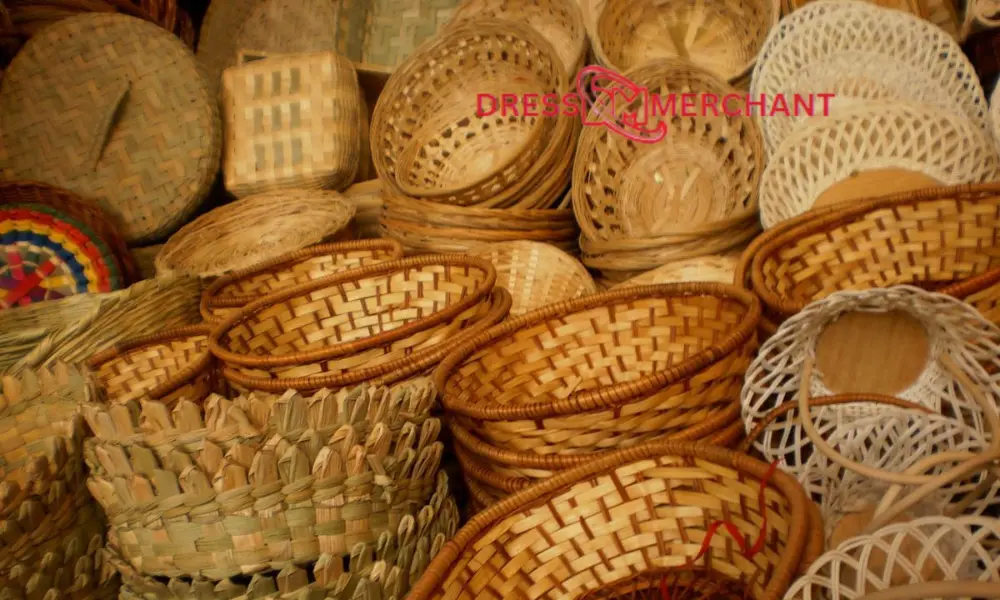
Sustainable Handicraft Suppliers In Bangladesh – Dress Merchant is a trusted handicraft buying house delivering ethically sourced, eco-friendly, and export-quality handicrafts for global buyers. As an experienced handicraft buying agent, we specialize in responsible sourcing, artisan-driven production, strict quality control, and smooth export management. Our commitment to sustainability supports local craftsmanship, fair labor practices, and environmentally conscious materials while ensuring consistent quality and on-time delivery.
Thank you for reading this post, don't forget to subscribe!Partner with Dress Merchant to access authentic Bangladeshi handicrafts that meet international standards and sustainability expectations—where tradition, responsibility, and global trade come together seamlessly.
The Rise of Sustainable Handicraft Suppliers in Bangladesh’s Global Market
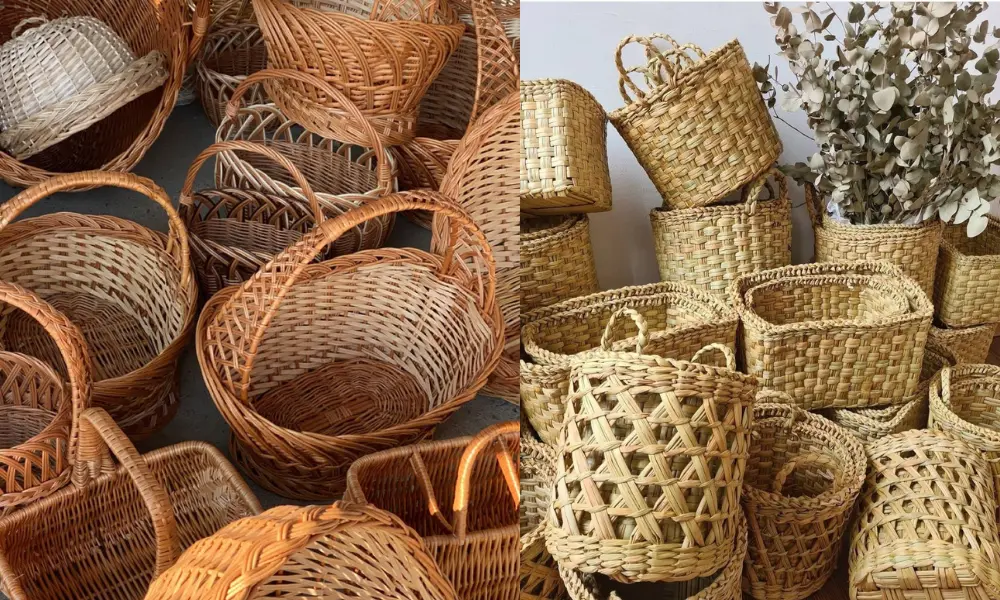
Bangladesh has emerged as a significant destination for sustainable handicraft sourcing due to its deep-rooted artisan heritage and growing global demand for responsible products. Over the past decade, international buyers have increasingly turned toward sustainable handicraft suppliers in Bangladesh for their ability to blend tradition with modern sustainability standards. From handwoven baskets to eco-friendly home décor, Bangladeshi suppliers are aligning craftsmanship with environmental responsibility.
The global market now prioritizes traceability, ethical labor, and reduced environmental impact—areas where Bangladesh excels due to its artisan-driven production model. Many suppliers operate on a small-to-medium scale, which naturally limits overproduction and supports low-impact manufacturing. Additionally, exporters are adopting international certifications and compliance standards to meet buyer expectations.
This rise is also fueled by conscious consumers who value handmade authenticity over mass-produced items. By offering culturally rich and responsibly made products, Bangladeshi handicraft suppliers are strengthening their position in Europe, North America, and emerging Asian markets while preserving traditional skills for future generations.
Why Bangladesh Is a Trusted Hub for Eco-Friendly Handicraft Production
Bangladesh’s reputation as a trusted hub for eco-friendly handicrafts stems from its access to natural raw materials, skilled artisans, and centuries-old traditions. Jute, bamboo, seagrass, clay, and recycled cotton are widely available, allowing suppliers to produce goods with minimal environmental impact. These materials are biodegradable, renewable, and locally sourced, reducing carbon footprints.
Moreover, many production processes rely on hand tools rather than heavy machinery, ensuring energy-efficient craftsmanship. This naturally sustainable approach resonates with buyers seeking authenticity and environmental responsibility. The country’s artisan communities pass down skills through generations, ensuring consistency in quality while preserving cultural identity.
Government and private initiatives are also supporting eco-friendly production through training programs and export facilitation. As a result, Bangladesh continues to gain trust as a reliable source of sustainable, handmade products that meet both ethical and commercial expectations.
Ethical Sourcing Practices Followed by Sustainable Handicraft Suppliers in Bangladesh
Ethical sourcing is a cornerstone of sustainable handicraft production in Bangladesh. Suppliers prioritize transparency, fair wages, and safe working environments, ensuring artisans are treated with dignity and respect. By avoiding exploitative labor practices, they create fair and inclusive supply chains that benefit entire communities.
Many suppliers work directly with artisan groups rather than intermediaries, which allows better income distribution and long-term collaboration. This direct engagement also ensures traceable raw material sourcing, a key requirement for global buyers. Natural dyes, responsibly harvested fibers, and recycled components are carefully selected to maintain ethical integrity.
These practices not only improve livelihoods but also build trust with international partners who value responsible sourcing. Ethical operations strengthen brand reputation while contributing to sustainable economic growth in rural and semi-urban areas of Bangladesh.
Natural Materials and Traditional Techniques Used in Bangladeshi Handicrafts
Bangladeshi handicrafts are distinguished by their use of natural materials and traditional techniques refined over generations. Artisans skillfully work with jute, hogla grass, bamboo, terracotta clay, wood, and shells to create products that are both functional and decorative. These materials support eco-conscious production while showcasing cultural artistry.
Traditional methods such as hand weaving, pottery wheel shaping, block printing, and natural dyeing reduce reliance on chemicals and machinery. This results in low-waste manufacturing processes that align with sustainability goals. Each piece carries a unique human touch, enhancing its value in premium markets.
By preserving these techniques, suppliers ensure cultural continuity while offering environmentally responsible alternatives to mass-produced goods. This blend of heritage and sustainability is a key strength of Bangladeshi handicrafts.
Empowering Local Artisans Through Sustainable Handicraft Supply Chains
Sustainable handicraft suppliers in Bangladesh play a vital role in empowering local artisans, particularly women and marginalized communities. By providing consistent work opportunities, training, and fair compensation, suppliers foster economic independence and social stability.
Many supply chains are community-based, allowing artisans to work from their homes or local workshops. This model supports inclusive employment systems while preserving work-life balance. Skill development programs further enhance craftsmanship and enable artisans to adapt to evolving market trends.
Empowerment through sustainable supply chains not only uplifts individuals but also strengthens rural economies. When artisans thrive, traditional crafts survive, ensuring long-term sustainability for both people and the industry.
Environmental Benefits of Choosing Sustainable Handicraft Suppliers in Bangladesh
Partnering with sustainable handicraft suppliers in Bangladesh offers clear environmental advantages. The use of biodegradable materials and manual production techniques significantly reduces pollution and energy consumption. This approach supports climate-responsible manufacturing and helps minimize industrial waste.
Additionally, small-batch production prevents overstocking and unnecessary resource use, promoting responsible consumption patterns. Natural dyes and finishes reduce water contamination, while recycled materials help lower landfill waste.
For global buyers, sourcing from Bangladesh aligns with corporate sustainability goals and environmental commitments. Choosing sustainable handicrafts contributes to a greener supply chain without compromising on quality or design.
Quality Assurance and Fair Trade Compliance in Sustainable Handicraft Manufacturing
Quality assurance is a critical focus for sustainable handicraft suppliers in Bangladesh. Despite being handmade, products undergo strict quality checks to ensure durability, consistency, and export readiness. Suppliers balance artisanal uniqueness with international quality standards demanded by global buyers.
Fair trade compliance further strengthens credibility. Many suppliers follow fair trade principles such as transparent pricing, ethical labor conditions, and community reinvestment. This ensures responsible business practices while delivering premium handmade goods.
By combining quality control with fair trade ethics, Bangladeshi suppliers create long-term value for buyers who prioritize sustainability and social responsibility.
Handmade, Responsible, and Scalable: Meeting Global Demand Sustainably
One common misconception is that handmade products cannot meet large-scale demand. However, sustainable handicraft suppliers in Bangladesh have developed scalable production models through organized artisan networks. These systems ensure consistent supply capacity while maintaining handmade authenticity.
Work is distributed across multiple communities, allowing suppliers to fulfill bulk orders without compromising quality or ethical standards. This decentralized approach supports sustainable scalability and reduces production pressure on individual artisans.
As a result, global retailers and brands can confidently source from Bangladesh, knowing that growth does not come at the expense of people or the planet.
Customization and Private Label Solutions from Sustainable Handicraft Suppliers
Customization is a major advantage offered by sustainable handicraft suppliers in Bangladesh. Buyers can request tailored designs, sizes, colors, and branding options to suit specific markets. This flexibility supports private label development and brand differentiation.
Artisans adapt traditional techniques to modern design requirements while maintaining sustainability principles. Natural materials and ethical processes remain central, even in customized orders, ensuring responsible product innovation.
Such customization capabilities make Bangladeshi suppliers ideal partners for brands seeking unique, eco-friendly collections with a strong storytelling element.
How Global Buyers Benefit from Partnering with Sustainable Handicraft Suppliers in Bangladesh
Global buyers gain multiple advantages by partnering with sustainable handicraft suppliers in Bangladesh. Competitive pricing, ethical production, and authentic craftsmanship create strong market appeal. These partnerships support sustainable sourcing strategies while enhancing brand credibility.
Buyers also benefit from transparent communication, flexible order quantities, and long-term collaboration opportunities. The combination of cultural richness and sustainability delivers high-value handmade products that resonate with conscious consumers.
Ultimately, sourcing from Bangladesh allows global brands to meet environmental, social, and commercial goals—making sustainable handicraft partnerships a strategic and responsible choice.
Conclusion: Sustainable Handicraft Suppliers In Bangladesh
Sustainable handicraft suppliers in Bangladesh play a vital role in preserving traditional craftsmanship while meeting the growing global demand for ethically produced, eco-friendly products. By blending heritage skills with responsible sourcing, fair labor practices, and environmentally conscious manufacturing, Bangladesh has positioned itself as a trusted hub for sustainable handicraft production.
As a leading handicraft buying agent, sourcing, manufacturing, and exporting company, Dress Merchant stands at the forefront of this movement. Working closely with verified handicraft manufacturers and exporters, Dress Merchant ensures that every product meets international quality standards, sustainability benchmarks, and buyer compliance requirements. From artisan development and material sourcing to production coordination and export management, Dress Merchant delivers end-to-end solutions with transparency and reliability.
For global buyers seeking authentic, responsibly made handicrafts from Bangladesh, partnering with Dress Merchant means more than just sourcing products—it means supporting skilled artisans, empowering local communities, and contributing to a sustainable global supply chain. With a strong commitment to ethics, quality, and long-term partnerships, Dress Merchant continues to connect the world with Bangladesh’s finest sustainable handicrafts.