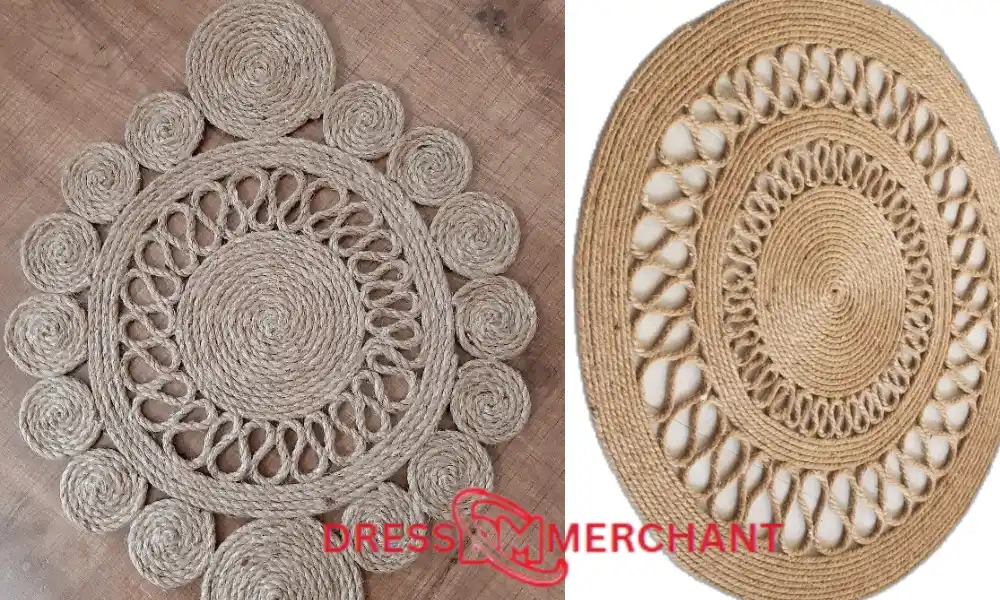
Traditional Bangladeshi Handicraft Companies For Global Buyers seeking authentic, ethical, and export-ready products can rely on Dress Merchant—a leading handicraft buying house in Bangladesh. As an experienced handicraft buying agent, we specialize in artisan sourcing, production coordination, strict quality control, and seamless global export support. From handmade décor and lifestyle crafts to sustainable, culturally rich designs, we connect international buyers with trusted manufacturers, fair-trade practices, and consistent supply chains that deliver craftsmanship with confidence worldwide.
Thank you for reading this post, don't forget to subscribe!
1. Discover Top Traditional Bangladeshi Handicraft Companies Catering to Global Buyers
Bangladesh has emerged as a global hub for traditional handicrafts, offering a diverse range of authentic handmade products for international markets. From intricately woven textiles to finely carved wooden artifacts, Bangladeshi handicraft companies are well-known for their ability to blend heritage craftsmanship with modern production standards. For global buyers, these suppliers offer a one-stop solution for sourcing high-quality, culturally rich products that appeal to both luxury and mass-market segments.
Many of these companies maintain strict quality control measures, ensuring that every product delivered is durable, aesthetically appealing, and export-ready. They also understand the needs of international clients, offering customization options, bulk production, and timely delivery to meet global demand. By partnering with these companies, buyers gain access to a wide range of products including handwoven fabrics, jute home decor, pottery, bamboo crafts, and embroidered textiles, all reflecting Bangladesh’s cultural heritage.
Additionally, these companies often collaborate directly with skilled local artisans, empowering communities and preserving traditional techniques that have been passed down through generations. This makes sourcing from Bangladeshi handicraft companies not only a business decision but also an investment in sustainable and ethical trade practices. Global buyers looking to add authentic, handmade, and culturally significant products to their catalogs can find reliable partners among the top Bangladeshi suppliers.
2. Why Global Buyers Prefer Traditional Bangladeshi Handicraft Suppliers
Global buyers consistently choose Bangladeshi handicraft companies because of their unparalleled craftsmanship, reliability, and cost-effectiveness. These companies excel in creating high-quality handmade products that are suitable for international retail and distribution, all while maintaining competitive pricing. The combination of affordable labor, skilled artisans, and access to natural raw materials makes Bangladesh a preferred destination for buyers seeking both quality and value.
Furthermore, these companies have a deep understanding of export requirements, including product safety, packaging standards, and compliance with international trade regulations. This ensures that products shipped to global markets arrive on time and meet quality expectations. Beyond logistics, Bangladeshi handicraft suppliers are known for their flexibility and adaptability, offering customized designs, branding options, and unique product variations tailored to the needs of global buyers.
Bangladesh’s rich cultural heritage also plays a crucial role in attracting international clients. Products such as nakshi kantha embroidery, handwoven jute rugs, terracotta figurines, and bamboo home decor are highly valued for their authenticity and artistic value. By sourcing from these companies, buyers not only receive unique, culturally rich products but also contribute to the preservation of traditional artisan skills. The combination of quality, affordability, authenticity, and ethical production practices makes Bangladeshi handicraft companies a top choice for international buyers.
3. Exploring the Rich Heritage of Bangladeshi Handicrafts for International Markets
Bangladesh boasts a centuries-old tradition of handicrafts, reflecting its rich cultural, historical, and regional diversity. For global buyers, this heritage is a key differentiator, offering products that are distinctive, collectible, and culturally significant. From Nakshi Kantha embroidered quilts to hand-carved wooden furniture and bamboo baskets, each product embodies the artistry and craftsmanship of local artisans.
Traditional techniques such as block printing, handloom weaving, terracotta molding, and jute crafting are preserved through partnerships with skilled artisans, ensuring that products maintain authenticity and originality. Global buyers benefit from this rich heritage, as it allows them to offer unique products that stand out in competitive markets, whether in luxury retail, boutique stores, or online marketplaces.
Bangladeshi handicraft companies also invest in modern production methods alongside traditional techniques, ensuring that products meet international quality and safety standards. Many suppliers provide customizable options, allowing global buyers to incorporate brand logos, packaging design, and exclusive product features while maintaining the authentic handcraft feel.
This focus on heritage, combined with sustainable production practices, ensures that buyers can source products that are ethically made, environmentally friendly, and culturally authentic. By embracing the rich tradition of Bangladeshi handicrafts, global buyers gain a competitive edge by offering products with stories, heritage, and global appeal.
4. Quality Standards and Authenticity in Bangladeshi Handicraft Companies
Ensuring quality and authenticity is a top priority for Bangladeshi handicraft companies, making them reliable partners for global buyers. Each product undergoes multi-stage quality checks, from raw material selection to final packaging, guaranteeing durability, craftsmanship, and aesthetic appeal. Artisans employ traditional techniques passed down through generations, ensuring that each piece reflects true cultural artistry.
Suppliers maintain strict adherence to international quality standards, including ISO certifications, ethical sourcing protocols, and export-ready packaging. This attention to detail ensures that global buyers receive products that are consistent, reliable, and ready for international markets. Furthermore, Bangladeshi handicraft companies are transparent in their production processes, allowing buyers to track product origins, verify artisan involvement, and ensure authenticity.
Products such as handwoven jute rugs, bamboo home decor, terracotta sculptures, and embroidered textiles are examples of items that highlight both quality and cultural heritage. By sourcing from these companies, international buyers gain access to premium, ethically made handicrafts that appeal to conscious consumers. The combination of traditional skills, rigorous quality assurance, and cultural authenticity makes Bangladeshi handicraft companies a trusted choice for global trade.
5. How Bangladeshi Handicraft Companies Ensure Sustainable and Ethical Production
Sustainability and ethical practices are increasingly important for global buyers, and Bangladeshi handicraft companies lead in this regard. Many suppliers use natural fibers, organic dyes, and recycled materials to create environmentally friendly products. Jute, bamboo, cotton, and clay are sourced responsibly, ensuring minimal impact on the environment.
Moreover, companies prioritize fair labor practices, providing artisans with decent wages, safe working conditions, and skill development opportunities. This ethical approach not only supports local communities but also aligns with the expectations of eco-conscious global consumers. Buyers can confidently source products knowing they are supporting sustainable, socially responsible production.
Sustainability is combined with high-quality craftsmanship, ensuring that products are not only eco-friendly but also durable and visually appealing. Categories like handwoven textiles, bamboo home decor, and jute accessories showcase how traditional techniques can produce beautiful, responsible, and marketable products for international buyers. By collaborating with Bangladeshi suppliers, global clients benefit from culturally authentic, environmentally responsible, and ethically produced handicrafts.
6. The Role of Traditional Techniques in Crafting Export-Ready Handicrafts
Bangladeshi handicraft companies are renowned for their ability to preserve traditional techniques while producing export-ready products for international markets. Techniques such as handloom weaving, block printing, bamboo carving, terracotta molding, and Nakshi Kantha embroidery are central to the country’s artisanal heritage. These methods, passed down through generations, ensure that every product maintains authenticity, intricate detail, and cultural value.
Global buyers increasingly value products that are unique and culturally meaningful, and Bangladeshi suppliers deliver just that. By combining traditional craftsmanship with modern quality standards, these companies ensure that products are not only visually appealing but also durable and suitable for retail and export markets. Export-ready handicrafts often undergo additional finishing processes, packaging improvements, and quality inspections to meet international regulations and buyer expectations.
Moreover, Bangladeshi artisans are highly adaptable, blending ancient techniques with contemporary design trends. This allows international buyers to offer products that resonate with modern consumers while retaining heritage authenticity. Products like hand-carved wooden furniture, decorative bamboo items, jute bags, embroidered textiles, and clay artifacts demonstrate the successful integration of traditional artistry and market-ready innovation.
By sourcing from these companies, global buyers gain access to handcrafted, culturally rich products that not only meet quality expectations but also tell a story, which is increasingly valued in premium and sustainable markets. Collaborating with Bangladeshi handicraft suppliers allows businesses to differentiate themselves with unique, authentic, and export-ready offerings that stand out in competitive international markets.
7. Key Handicraft Categories Offered by Bangladeshi Companies for Global Buyers
Bangladeshi handicraft companies offer a wide variety of products catering specifically to the needs of global buyers. Popular categories include textiles and apparel, jute and bamboo products, pottery, woodcraft, home decor, fashion accessories, and traditional art pieces. Each category reflects the rich cultural heritage of Bangladesh and is designed to appeal to international markets seeking unique, handcrafted, and culturally authentic products.
Textiles and apparel include handwoven fabrics, embroidered garments, and Nakshi Kantha quilts, prized for their quality and intricate designs. Jute and bamboo products, such as bags, mats, and baskets, are eco-friendly and in high demand among sustainable lifestyle brands. Pottery and clay items showcase traditional artistry, with intricate designs suitable for home décor and collectibles. Wooden artifacts, from furniture to decorative items, are handcrafted with precision and durability, making them ideal for export markets.
Bangladeshi handicraft companies also excel in custom orders, allowing global buyers to request specific designs, materials, and packaging to suit their brand needs. Many suppliers provide bulk production capabilities, ensuring that large-scale orders can be fulfilled without compromising quality. By sourcing from these suppliers, buyers gain access to diverse, premium products that meet international design trends, quality standards, and cultural authenticity.
These offerings make Bangladeshi handicraft companies a preferred choice for international retailers, boutique shops, and online marketplaces, as they combine heritage craftsmanship, quality assurance, and export readiness. Global buyers can confidently partner with these companies to expand product lines, diversify offerings, and appeal to conscious consumers worldwide.
8. Choosing Reliable Bangladeshi Handicraft Suppliers for International Partnerships
Selecting the right Bangladeshi handicraft supplier is essential for global buyers aiming for quality, reliability, and consistent delivery. Trusted suppliers maintain transparent communication, ethical practices, and verified artisan networks, ensuring that buyers receive authentic, high-quality products. Evaluating production capacity, export experience, client testimonials, and certifications helps ensure long-term successful partnerships.
Reliable suppliers offer flexibility in order quantities, customization options, and design adaptation, which are key considerations for global clients. They also understand international shipping protocols, customs requirements, and packaging standards, reducing the risk of delays or product damage during transit. By establishing strong partnerships, buyers gain predictable supply chains, consistent quality, and competitive pricing, essential for maintaining international market trust.
Bangladeshi companies often provide professional consultancy services for global buyers, assisting with product selection, trend analysis, and design improvements. This guidance allows buyers to enhance their product offerings while maintaining authenticity and cultural integrity. The combination of expert artisans, quality control, export readiness, and client support ensures that buyers can source products that meet high expectations and global standards.
By partnering with reliable handicraft suppliers, global buyers benefit from sustainable growth, cultural alignment, and premium product offerings, strengthening their brand in competitive international markets.
9. Custom Orders and Product Innovation in Bangladeshi Handicraft Exports
Bangladeshi handicraft companies have increasingly embraced customization and product innovation to meet the evolving needs of global buyers. Custom orders allow buyers to request specific materials, colors, sizes, designs, or branding elements, providing a unique edge in competitive markets. From personalized embroidered textiles to bespoke jute bags or handcrafted home décor, suppliers are capable of producing exclusive collections tailored to brand identity.
Innovation is also evident in the adaptation of traditional techniques for modern designs. Artisans creatively merge heritage skills with contemporary aesthetics, producing products that resonate with international consumers seeking authentic, artisanal, yet trendy items. Examples include modern decorative bamboo lighting, contemporary Nakshi Kantha quilts, and eco-friendly fashion accessories.
Customization extends beyond design to include packaging, labeling, and presentation, ensuring that products are retail-ready and market-friendly. By offering this level of flexibility, Bangladeshi suppliers allow global buyers to differentiate their products, target niche markets, and create signature collections.
Global buyers also benefit from research and development support provided by experienced suppliers. By combining market insights, design expertise, and artisan skills, these companies consistently produce products that are high-quality, unique, and export-compliant. This focus on customization and innovation positions Bangladeshi handicraft suppliers as strategic partners for global businesses looking to stand out with authentic, culturally rich, and innovative products.
10. Future Trends: Global Demand for Traditional Bangladeshi Handicrafts
The demand for traditional, handcrafted, and sustainable products is rising globally, and Bangladesh is well-positioned to meet this trend. Consumers worldwide increasingly value ethically made, culturally authentic, and artisan-crafted products, creating significant opportunities for Bangladeshi handicraft exporters. Categories such as eco-friendly home décor, handcrafted textiles, traditional art, and sustainable fashion accessories are particularly popular among international buyers.
Bangladeshi handicraft companies are embracing modern production methods, digital marketing, and e-commerce integration to expand their reach in global markets. They continue to innovate while maintaining the authenticity of traditional craftsmanship, ensuring that products remain culturally significant and appealing to contemporary consumers.
Additionally, the trend toward sustainable and socially responsible sourcing enhances Bangladesh’s position as a preferred supplier. Companies that prioritize ethical labor practices, eco-friendly materials, and community development are increasingly recognized by conscious buyers worldwide.
For global buyers, sourcing from Bangladesh provides a unique opportunity to offer products that combine heritage, quality, and sustainability. With growing international awareness of artisanal value and ethical production, Bangladeshi handicraft companies are likely to see increased demand and long-term growth in global markets. Buyers who collaborate now can secure premium, authentic, and culturally rich products that will remain relevant in the evolving global handicraft industry.
Conclusion: Traditional Bangladeshi Handicraft Companies For Global Buyers
In conclusion, traditional Bangladeshi handicraft companies offer a unique blend of heritage, craftsmanship, and cultural richness that appeals to discerning global buyers. With their unparalleled skill in producing authentic and high-quality handicrafts, these manufacturers are shaping Bangladesh as a premier hub for artisan products worldwide. As a trusted sourcing agent, manufacturing coordinator, and export partner, Dress Merchant bridges the gap between these skilled artisans and international markets, ensuring seamless sourcing, quality control, and timely delivery.
By partnering with Dress Merchant, global buyers gain access to ethically produced, meticulously crafted handicrafts while supporting the growth of Bangladesh’s artisan community. Whether sourcing for retail, gifting, or corporate purposes, our expertise guarantees that every piece delivered reflects the artistry, tradition, and excellence that Bangladesh is renowned for.