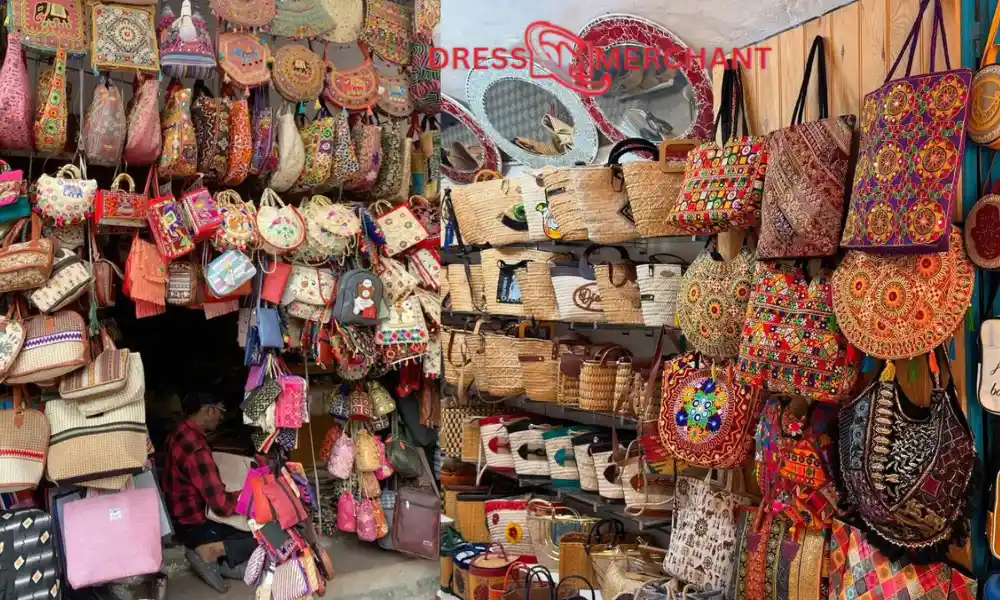
What Is The Most Exported Item From Bangladesh? Discover the answer as Dress Merchant, a leading Handicraft Buying House, unveils top export treasures. From intricately designed handicrafts to globally sought-after artisan products, we specialize in sourcing, production, and export, ensuring quality and uniqueness. Learn how Bangladesh’s rich cultural heritage drives its booming export market and why buyers worldwide trust our expertise for premium, export-ready handicrafts. Explore the items that make Bangladesh a global export hub today!
Thank you for reading this post, don't forget to subscribe!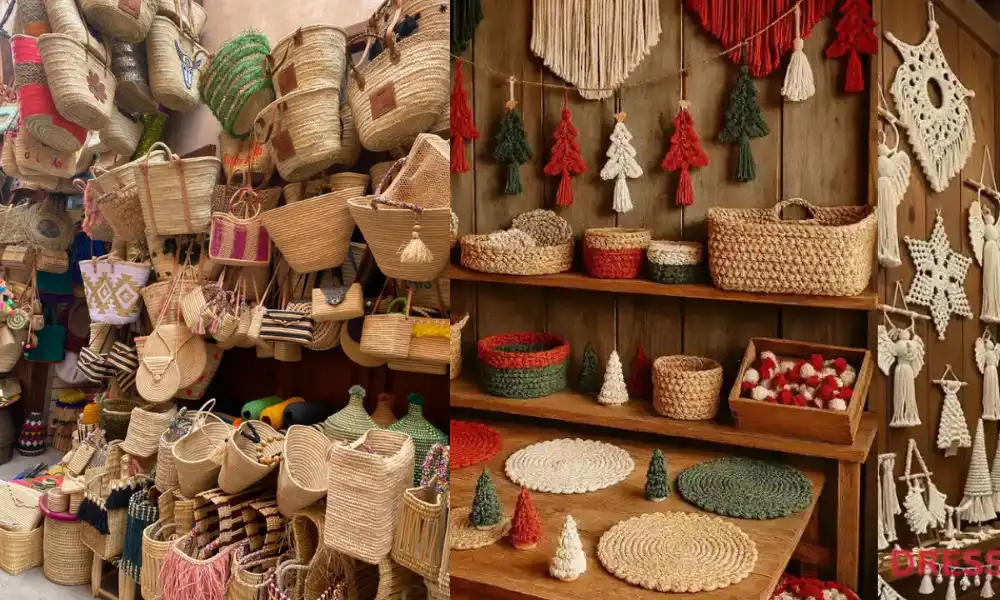
Overview of Bangladesh’s Export Economy
Bangladesh has emerged as a significant player in the global export market, thanks to its diverse range of products and growing manufacturing capabilities. Among these, garments, textiles, and handicrafts stand out as major contributors to the country’s export revenue. The nation’s strategic location, coupled with a skilled workforce and competitive production costs, has made it an attractive destination for international buyers seeking high-quality, cost-effective products.
Handicrafts from Bangladesh, in particular, have gained recognition for their intricate designs, traditional techniques, and sustainable production methods. Companies like Dress Merchant leverage these strengths to cater to global clients, offering a wide array of handwoven items, artisanal accessories, and unique home décor products. This sector not only promotes cultural heritage but also provides employment opportunities to thousands of skilled artisans across the country.
Bangladesh’s export economy is supported by governmental policies, trade agreements, and investment in modern infrastructure. These factors enable exporters to reach international markets efficiently, ensuring timely delivery and consistent quality. Additionally, the country has witnessed significant growth in eco-friendly and sustainable products, aligning with global demand for environmentally conscious manufacturing.
For a company like Dress Merchant, this environment creates opportunities to expand the reach of Bangladeshi handicrafts worldwide. By maintaining stringent quality standards, providing customized solutions, and fostering strong relationships with international clients, they contribute to the nation’s export growth while promoting cultural artistry.
Understanding the export economy’s dynamics helps buyers appreciate why Bangladesh remains a reliable handicraft sourcing hub. Whether it’s for large-scale retail or boutique collections, the combination of traditional craftsmanship and modern production methods ensures that Bangladeshi products remain competitive and desirable in the global marketplace.
The export economy is not only about revenue but also about building sustainable partnerships and promoting the country’s cultural legacy. For companies like Dress Merchant, staying attuned to market trends, investing in quality control, and embracing innovation are key strategies for thriving in the competitive international export landscape.
The Role of Ready-Made Garments in Bangladesh’s Exports
One of the most prominent drivers of Bangladesh’s export sector is the ready-made garment (RMG) industry. Accounting for a significant portion of national export revenue, garments have established Bangladesh as a leading supplier to markets across Europe, North America, and Asia. The industry benefits from a vast labor pool, modern production facilities, and expertise in large-scale manufacturing.
However, while garments dominate the export revenue, there is a growing interest in niche products like handicrafts, which complement Bangladesh’s global offerings. Companies like Dress Merchant capitalize on this opportunity by blending traditional artistry with contemporary trends to create products that appeal to international buyers seeking unique, high-quality items.
The RMG sector’s success also highlights the importance of adherence to international standards, timely delivery, and quality assurance. For handicraft exporters, similar principles apply: ensuring that each product meets client expectations, maintaining ethical production practices, and innovating in design are critical for sustaining growth.
Moreover, Bangladesh’s garment export experience has indirectly supported the handicraft industry. Advanced logistics, trade networks, and global market exposure gained through garments provide a framework that handicraft exporters like Dress Merchant can utilize to scale their operations and reach new markets efficiently.
Investments in infrastructure, digital platforms for international trade, and collaborations with foreign buyers further reinforce Bangladesh’s position as a reliable exporter. For companies specializing in handicrafts, this ecosystem ensures that products are not only beautifully crafted but also competitively priced and delivered on time.
By understanding the RMG industry’s role, international buyers can appreciate the structured and professional approach that Bangladeshi exporters bring to all sectors. This combination of tradition, innovation, and operational excellence positions Dress Merchant as a trusted partner for worldwide clients seeking authentic and high-quality handicrafts.
Top Export Commodities from Bangladesh Beyond Apparel
While ready-made garments dominate Bangladesh’s export market, the country also exports a diverse range of products that cater to international demands. Among these, handicrafts, home textiles, jute products, leather goods, and frozen seafood play a pivotal role in showcasing Bangladesh’s manufacturing versatility.
Handicrafts, in particular, reflect the nation’s rich cultural heritage. Traditional techniques such as hand weaving, embroidery, and woodcraft are not only artistically valuable but also economically significant, providing livelihoods to numerous artisans. Companies like Dress Merchant specialize in crafting these products for global markets, ensuring quality, authenticity, and cultural relevance in every item.
Other notable export commodities include jute and jute-based products, which are sustainable, eco-friendly, and increasingly sought after worldwide. Similarly, home textiles such as bed linens, curtains, and cushion covers benefit from Bangladesh’s strong textile foundation and skilled craftsmanship. Leather goods, ranging from bags to footwear, further diversify the export portfolio, highlighting the country’s capacity for high-quality production.
Global buyers are increasingly looking for products that combine tradition with modern utility. Handicrafts from Bangladesh meet this demand by offering unique designs, functional value, and sustainable production methods. Companies like Dress Merchant ensure that each piece not only meets international quality standards but also tells a story, connecting buyers with the rich heritage of Bangladesh.
The variety in export commodities underscores the adaptability and innovation of Bangladeshi manufacturers. While garments continue to lead in revenue, sectors like handicrafts present growing opportunities for differentiation and long-term partnerships. For international buyers, sourcing from Bangladesh means access to high-quality, culturally rich, and ethically produced goods.
In this context, Dress Merchant exemplifies the potential of Bangladeshi handicraft exports. By focusing on quality, customization, and timely delivery, they ensure that clients receive products that are not only market-ready but also globally competitive, making Bangladesh a preferred sourcing destination beyond apparel.
Why Garments Dominate Bangladesh’s Export Market
Bangladesh’s ready-made garment industry has become synonymous with the country’s export identity. Garments account for more than 80% of total exports, driven by competitive labor costs, large-scale production capabilities, and adherence to international standards. Global brands rely on Bangladesh for the supply of high-quality, affordable apparel, making it a cornerstone of the national economy.
Despite this dominance, there is increasing recognition of other sectors, particularly handicrafts, which offer distinct advantages to international buyers. Companies like Dress Merchant leverage this opportunity by providing unique products that stand out in global markets, from artisanal décor items to handwoven accessories.
The dominance of garments also reflects the country’s export infrastructure. Efficient port facilities, trade agreements, and skilled human resources ensure that large-scale production and shipment can be executed reliably. This infrastructure benefits other export sectors, including handicrafts, enabling companies like Dress Merchant to reach international clients efficiently.
Moreover, garments’ global popularity has created a platform for Bangladesh to diversify its export portfolio. International buyers familiar with Bangladeshi production standards are more likely to trust the quality and reliability of handicrafts. This trust allows companies to expand offerings, experiment with new designs, and cater to niche markets.
Bangladesh’s garment sector has also encouraged innovation, quality control, and sustainable practices. Handicraft exporters adopt these lessons, ensuring products are not only beautiful but also ethically and environmentally responsible. This approach aligns with global consumer trends, enhancing the appeal of Bangladeshi handicrafts worldwide.
By understanding why garments dominate exports, one can appreciate the foundation upon which companies like Dress Merchant build their international success. Combining cultural artistry with professional production standards positions Bangladesh as a competitive player in both apparel and handicraft markets, offering global buyers a diverse and reliable sourcing destination.
Key Export Statistics and Trends in Bangladesh
Bangladesh’s export statistics reveal a clear trend: ready-made garments lead, followed by textiles, leather goods, and handicrafts. Annual export revenues have consistently increased, reflecting the country’s growing capability to meet global demand. Recent years also show a rising interest in handicrafts, as buyers seek authentic, sustainable, and culturally rich products.
Handicraft exports, though smaller in volume compared to garments, represent a premium segment in international markets. Companies like Dress Merchant focus on high-quality products, ensuring that every item meets global standards and resonates with diverse markets. Artisanal techniques, handwoven fabrics, and eco-friendly production are central to these offerings.
Global trends indicate a preference for unique and customized products. Buyers increasingly value storytelling, sustainability, and craftsmanship, creating opportunities for Bangladeshi handicrafts to gain prominence. Exporters who can combine these elements with timely delivery and competitive pricing, like Dress Merchant, are well-positioned to capture niche markets.
Additionally, technological advancements and digital platforms have made it easier for international buyers to source directly from Bangladesh. Virtual trade shows, online catalogs, and seamless communication channels allow exporters to showcase their products to a global audience, increasing visibility and opportunities for growth.
Monitoring statistics and trends helps companies anticipate demand, adapt production, and maintain competitiveness. For Dress Merchant, leveraging data-driven insights ensures that their handicraft products align with market expectations while reinforcing Bangladesh’s reputation as a trusted export hub.
By analyzing key trends, buyers can make informed decisions, understanding not only what Bangladesh exports but also the quality, reliability, and uniqueness of its products, particularly in the handicraft sector.
Impact of Textile and Apparel Exports on Bangladesh’s Economy
Textile and apparel exports are the backbone of Bangladesh’s economy, contributing significantly to GDP, employment, and foreign exchange earnings. The industry has created millions of jobs, particularly for women, and fostered economic development across urban and rural regions.
Handicraft exports, although smaller in scale, complement this economic impact by providing alternative income sources for artisans. Companies like Dress Merchant play a crucial role in sustaining traditional craftsmanship while ensuring that artisans receive fair compensation for their skills. This sector promotes cultural preservation, economic empowerment, and global recognition of Bangladeshi artistry.
The success of textile exports has also improved infrastructure, logistics, and supply chain efficiency, benefiting other sectors. Handicraft manufacturers leverage these advancements to reach international markets quickly, ensuring timely delivery and consistent quality. This integration demonstrates how large-scale industrial growth can support smaller, culturally significant sectors.
Moreover, international partnerships, trade agreements, and buyer confidence established through garment exports create trust for other Bangladeshi products. Handicrafts from companies like Dress Merchant gain credibility by association, positioning them as reliable and high-quality choices for global clients.
Economic impact goes beyond numbers; it includes social and cultural benefits. By exporting handicrafts, Bangladesh showcases its heritage, supports local communities, and strengthens its global reputation. For buyers, sourcing from Dress Merchant means contributing to sustainable development while acquiring unique, authentic products.
In essence, the synergy between textile and handicraft exports reinforces Bangladesh’s position as a versatile and competitive exporter, combining economic growth with cultural preservation and global market relevance.
Emerging Export Products from Bangladesh
While garments continue to dominate, Bangladesh has seen a surge in demand for emerging products like handicrafts, jute items, leather goods, and eco-friendly home décor. These products appeal to international buyers seeking unique, sustainable, and culturally authentic items.
Handicrafts, in particular, are gaining recognition due to their intricate designs, traditional techniques, and storytelling value. Companies like Dress Merchant specialize in crafting products that resonate with modern consumers while preserving heritage. Each item reflects authentic craftsmanship, meticulous attention to detail, and sustainable production practices.
Global trends favor customization and exclusivity. Buyers now prefer products that reflect cultural identity and support artisan communities. This shift creates opportunities for Bangladeshi handicrafts to thrive alongside conventional exports. Exporters adopting modern designs while maintaining traditional methods can meet diverse market demands efficiently.
Emerging product segments also benefit from digital platforms, international trade fairs, and direct sourcing channels. Companies like Dress Merchant leverage these tools to showcase their collection globally, expand client networks, and adapt quickly to market trends.
By focusing on quality, innovation, and cultural authenticity, Bangladesh’s emerging export products are poised to gain substantial market share. Handicrafts, in particular, represent a premium export segment, offering buyers exclusive products that blend heritage with functionality, positioning Bangladesh as a versatile and dynamic sourcing hub.
Global Demand for Bangladeshi Exports
Bangladesh enjoys strong global demand for its exports due to competitive pricing, skilled craftsmanship, and diverse product offerings. Ready-made garments remain the primary export, but handicrafts are attracting increasing attention from buyers seeking unique, artisanal, and sustainable items.
Companies like Dress Merchant cater to this demand by offering high-quality handicrafts for international markets. From handwoven textiles to decorative accessories, each product combines traditional artistry with modern appeal, making it suitable for retail, corporate gifting, and specialty collections.
Global demand is driven not only by affordability but also by cultural value. Buyers are looking for products that tell a story, connect with heritage, and support artisan communities. Handicrafts from Bangladesh meet these criteria, creating a niche market with strong growth potential.
Additionally, advancements in logistics, digital marketing, and international trade agreements make it easier for exporters to connect with global clients. Companies like Dress Merchant utilize these tools to ensure timely delivery, consistent quality, and effective communication with buyers worldwide.
Sustained global demand encourages innovation, quality improvement, and ethical production practices. By aligning products with international expectations, Bangladesh strengthens its reputation as a reliable exporter. For buyers, sourcing from companies like Dress Merchant guarantees access to authentic, high-quality, and culturally rich products.
Challenges Faced by Bangladesh’s Export Industry
Despite its success, Bangladesh’s export industry faces challenges such as infrastructure limitations, rising labor costs, and competition from other manufacturing hubs. Compliance with international labor and environmental standards also poses a challenge for smaller manufacturers.
Handicraft exporters like Dress Merchant must navigate these obstacles while maintaining product quality, timely delivery, and cultural authenticity. Skilled labor availability, raw material sourcing, and logistics efficiency are critical factors that impact global competitiveness.
Moreover, fluctuating global demand and trade policy changes require exporters to stay agile and adaptable. Companies that implement quality assurance systems, sustainable practices, and effective supply chain management are better positioned to overcome these challenges.
By addressing these issues proactively, Bangladesh’s handicraft exporters can continue to grow, ensuring that traditional artistry reaches international markets while contributing to economic development. For global buyers, choosing companies like Dress Merchant ensures reliability, quality, and ethical sourcing.
Future Prospects of Bangladesh’s Export Market
The future of Bangladesh’s export market looks promising, with growing opportunities in handicrafts, eco-friendly products, and niche markets. International buyers are increasingly seeking unique, sustainable, and culturally authentic products, making Bangladeshi handicrafts highly desirable.
Companies like Dress Merchant are poised to capitalize on this trend by offering customizable products that meet global quality standards. With skilled artisans, innovative designs, and efficient export practices, they can cater to diverse markets, from luxury retail to corporate gifting.
Technological advancements, e-commerce, and global trade networks will further enhance Bangladesh’s export capabilities. By integrating modern logistics, digital marketing, and data-driven strategies, exporters can reach new clients, expand market share, and maintain competitiveness.
Sustainability and ethical production will continue to be key drivers of success. Companies that prioritize environmentally friendly materials, fair wages, and artisan empowerment will not only gain market trust but also contribute to Bangladesh’s long-term export growth.
For Dress Merchant, the future involves blending tradition with innovation, ensuring that every handicraft exported represents quality, authenticity, and cultural heritage. The prospects for Bangladeshi exports, particularly handicrafts, are strong, positioning the country as a leading sourcing destination in the global marketplace.
Conclusion: What Is The Most Exported Item From Bangladesh?
Bangladesh has firmly established itself as a global hub for handicrafts, offering a diverse range of beautifully crafted items that reflect the country’s rich culture and heritage. Among its many exportable treasures, handicrafts—such as jute products, handwoven textiles, pottery, bamboo and cane items, and intricate decorative pieces—stand out as some of the most sought-after by international buyers. These products not only showcase exceptional craftsmanship but also meet the growing global demand for sustainable, ethically made, and unique home décor and gift items.
At Dress Merchant, we pride ourselves on being a trusted sourcing and export partner for global buyers looking to connect with Bangladesh’s top handicraft manufacturers. From sourcing authentic products to managing quality control and export logistics, our expertise ensures that businesses worldwide receive premium, export-ready handicrafts. Partnering with Dress Merchant means gaining access to Bangladesh’s finest handmade products, helping buyers bring the country’s artisanal excellence to markets around the globe.